

The Recognition of Prior Learning (RPL) assessment process stands as a pivotal aspect of the vocational education and training (VET) sector in Australia. By recognising the skills and knowledge that learners have already acquired, RPL offers an efficient way for them to fast-track their qualifications. This is a critical tool for Registered Training Organisations (RTOs), allowing them to provide flexible and personalised learning pathways while ensuring that regulatory requirements are met.
For trainers and RTOs, a clear understanding of the RPL process is essential not only for ensuring compliance with Australian Skills Quality Authority (ASQA) standards but also for fostering a seamless and efficient learning journey for students. The key to a successful RPL process lies in having the right forms, kits, and frameworks in place. With guidance from RPL Experts, this comprehensive guide will walk you through the critical components of the RPL assessment process, providing insights on how to make your RPL practices efficient, compliant, and learner-friendly.
By streamlining the RPL process, RTOs can be assured that they will comply with ASQA’s standards and will continue to provide students with a quality educational experience that is available to all students, as ASQA currently regulates over 4,000 RTOs and holds them accountable for maintaining the quality of the VET sector.
Recognition of Prior Learning (RPL) is a formal process that allows learners to gain recognition for the skills and knowledge they have gained through previous work experience, informal learning, or training. Rather than going through traditional training and assessment for the competencies in a qualification, RPL enables learners to have their prior learning evaluated, with the potential to receive credit towards a qualification.

For RTOs, RPL is an invaluable tool that ensures students’ previous knowledge and experience are valued. This not only improves learning pathways for students but also allows RTOs to provide faster qualification routes, thereby saving learners time and reducing costs for both the learner and the institution. With ASQA’s increasing focus on compliance and learner outcomes, RTOs must ensure that their RPL processes are robust and aligned with the VET Quality Framework.
RPL is not only beneficial for students seeking to fast-track their qualifications, but it also plays a key role in helping RTOs remain competitive and flexible. With the diversity of learners’ backgrounds, experience, and knowledge, RPL allows RTOs to offer more adaptable learning pathways, catering to the needs of students from various industries and educational backgrounds.
The RPL assessment process involves multiple stages, from the initial application to the final assessment. To facilitate a smooth process, RTOs and trainers rely on several forms and kits that structure the assessment process. Below is a detailed overview of each step and the associated forms and kits used at each stage.
| RPL Form/Kit | Purpose | Key Components |
|---|---|---|
| RPL Assessment Outcome Form | To record the results of the RPL assessment. | Decision on competency, evidence breakdown, assessor and learner signatures. |
| RPL Assessment Plan Form | Outlines assessment methods, evidence required, and the timeline for the assessment. | Assessment methods, required evidence, assessment timeline, and resources. |
| RPL Application Form | Collects essential learner details and initial assessment for eligibility. | Personal contact details, educational background, work experience, and qualifications. |
| RPL Self-Assessment Information Kit | Helps learners self-reflect and evaluate their skills. | Skills evaluation prompts, list of competencies, and evidence collection guidelines. |
| RPL Third-Party Evidence Kit | Gathers supporting documentation from external sources. | Evidence from employers, supervisors, peers, or clients to validate skills. |
| RPL Competency Conversation Kit | Structured tool for assessing learners’ verbal demonstration of knowledge. | Pre-determined questions, assessment structure, scoring/grading system. |
| Demonstration and Observation Kit | Used when learners need to demonstrate practical skills. | Task checklist, observation space for assessors, learner guide for demonstration. |
| RPL Mapping | Aligns collected evidence with specific units of competency. | Evidence review, mapping to competency units, and identification of evidence gaps. |
The RPL Assessment Outcome Form is the document that records the results of the RPL assessment process. This form is essential for trainers to provide a clear, documented outcome based on the evidence submitted by the learner. The form typically includes:
This form is crucial for ensuring transparency, consistency, and compliance with ASQA’s standards. It is often required to be signed by both the assessor and the learner to confirm the decision made, ensuring both parties acknowledge the outcome.
The RPL Assessment Plan Form is used at the outset of the RPL process and helps both the RTO and the learner understand how the assessment will proceed. This form outlines:
This form ensures that all parties involved in the RPL process have a clear understanding of the assessment’s scope and requirements, setting expectations for both the learner and the trainer. It also helps ensure that the process is structured and streamlined.
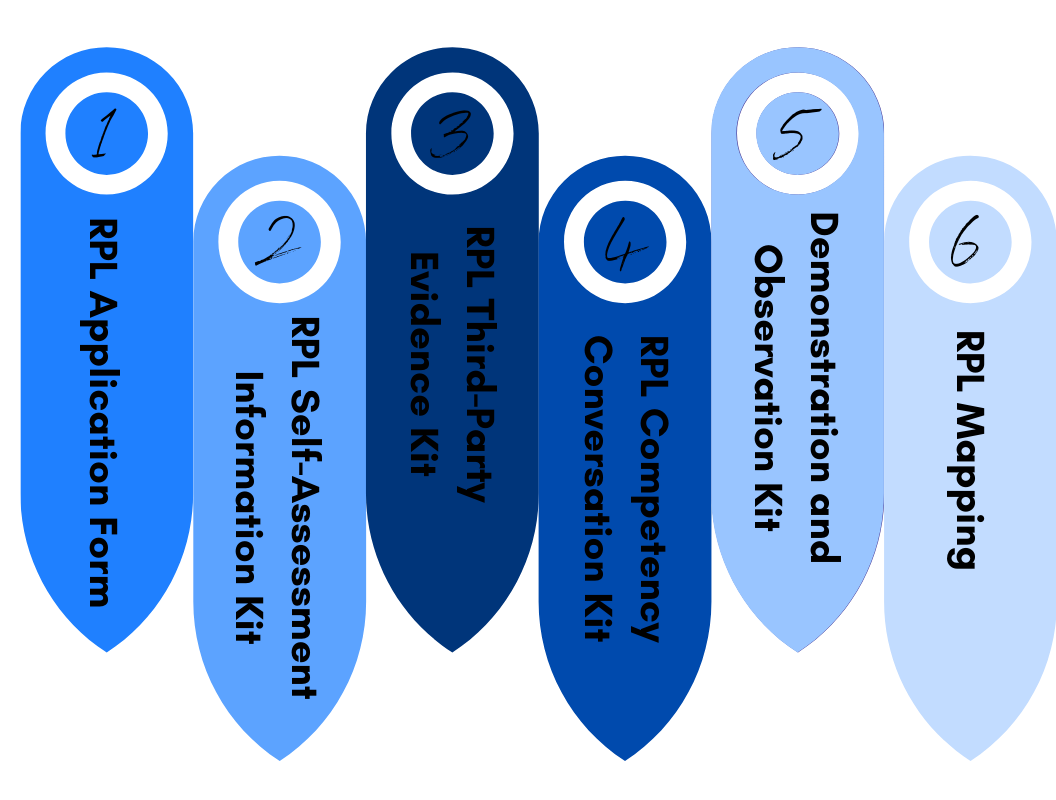
The RPL Application Form marks the beginning of the RPL process. This form collects essential details about the learner, such as their personal information, employment history, and previous education. It also provides an initial assessment of whether the learner’s prior knowledge and experience align with the qualification they are seeking. Key components of this form include:
By completing this form, the learner provides the foundational information that will be used to determine whether they are eligible for RPL. This document is vital for ensuring the correct assessment pathway is chosen for each learner, and for ensuring that the process adheres to ASQA guidelines.
The RPL Self-Assessment Information Kit is designed to guide learners in assessing their own skills and knowledge in relation to the qualification they are applying for. This kit helps learners reflect on their experience and determine which competencies they may already possess. It typically includes:
This self-assessment kit not only aids learners in preparing their RPL application but also helps trainers understand the learner’s perspective and the evidence they will need to provide. It empowers learners to take responsibility for their learning journey while ensuring that trainers have the necessary tools to assess the evidence thoroughly.
The RPL Third-Party Evidence Kit is used to gather supporting documentation from external sources that can validate the learner’s experience. This evidence may come from:
The third-party evidence helps strengthen the learner’s case by providing real-world verification of their skills. This evidence is especially useful for learners who have gained their skills informally or outside a formal training setting, such as through self-directed learning or on-the-job training.
One of the most powerful tools in the RPL process is the Competency Conversation Kit. This kit is used during structured interviews between the assessor and the learner. The competency conversation allows the learner to verbally demonstrate their knowledge and understanding of the competencies they are being assessed for. It typically includes:
This tool helps assessors evaluate the learner’s practical knowledge and communication skills, providing an opportunity to assess competencies that cannot be demonstrated through written evidence alone. It is an effective way to gain insights into a learner’s competencies and ensure that they meet the required standards.
The Demonstration and Observation Kit is used when practical demonstrations are required. This kit allows the assessor to observe the learner performing specific tasks in a real or simulated environment. Key components of this kit include:
This kit is essential for ensuring that learners can demonstrate their practical competencies in a controlled environment, validating their ability to perform tasks as outlined in the qualification. It allows for a more accurate assessment of practical skills that written assessments may not capture.
The RPL Mapping process is where all the evidence collected is carefully aligned with the units of competency required for the qualification. This step involves:
RPL Mapping ensures that the assessment process is transparent, traceable, and compliant with ASQA standards. It helps trainers make consistent decisions and ensures that learners receive the correct amount of credit for their prior learning, reducing the risk of errors or inconsistencies in the assessment process.
A comprehensive RPL process is critical for RTOs for several reasons:
| Reason | Explanation |
|---|---|
| Compliance with ASQA Standards | Ensures RTOs meet ASQA compliance requirements and avoid penalties. |
| Increased Flexibility | Offers a more adaptable learning pathway for diverse learners. |
| Enhanced Student Satisfaction | Acknowledging prior skills helps students fast-track their qualifications. |
| Streamlined Administration | A well-organised RPL process reduces administrative overhead for RTOs. |
| Benefit | Explanation |
|---|---|
| Time and Cost Savings | Learners bypass training already completed, saving both time and money. |
| Higher Retention Rates | Learners feel valued and recognised, which increases engagement and retention. |
| Competitive Advantage | RTOs offering RPL services stand out in the competitive market. |
Despite the clear benefits, RPL assessment can present several challenges for RTOs and trainers:
| Challenge | Explanation |
|---|---|
| Insufficient Evidence | Learners may struggle to provide enough evidence, especially from informal learning. |
| Complexity of Mapping | Mapping evidence to specific competencies requires a thorough understanding. |
| Lack of Learner Understanding | Some learners may not fully grasp the RPL process, leading to incomplete applications. |
| Best Practice | Explanation |
|---|---|
| Clear Communication | Ensure learners understand the entire RPL process and provide ongoing support. |
| Robust Documentation | Maintain detailed records of assessments to ensure compliance. |
| Use of Technology | Implement digital tools to streamline evidence collection and reduce admin work. |
| Continuous Improvement | Regularly update processes to ensure they align with current ASQA standards. |
Acceptable evidence may include work samples, third-party reports, competency conversations, demonstration, and observation. It should be sufficient, valid, and relevant to the required competencies.
Yes, RPL is applicable to most qualifications, but it depends on the learner’s existing skills and experience. If the learner’s experience aligns with the competency requirements, RPL can be used.
VET Resources stands out as the ideal partner for RTOs because it provides comprehensive, ASQA-compliant RPL kits and forms that streamline the assessment process. VET Resources’ offerings are designed with a focus on compliance, efficiency, and learner outcomes. By choosing VET Resources, you gain access to expert-designed tools that enhance both your RPL assessments and overall operational effectiveness. VET Resources is the trusted choice for trainers and RTOs looking to optimise their RPL processes, ensure regulatory adherence, and support learner success.