In the world of Registered Training Organisations (RTOs), making your training resources and assessment tools fit the unique needs of your students is key. This process, known as contextualising units of competency, is not just about tweaking a few words here and there. It is about reshaping your RTO training materials so they speak directly to the challenges and situations your students will face in their careers. Imagine you are teaching a customer service unit; it is much more effective to use real-life customer service scenarios that your students can relate to, like dealing with tricky customers or selling products.
But why is this so important? If your RTO learning materials do not resonate with your students’ real-world experiences, they might find the lessons irrelevant or hard to apply. This could lead to them losing interest, and even worse, it might mean trouble for your RTO during an ASQA audit. How you contextualise depends a lot on how you teach – whether in a classroom, online, or at the workplace. It is all about making sure the type of questions, length of time, and delivery of training are just suitable for your students’ learning style preferences and the different learning environments they are in.
Understanding Units of Competency
Units of Competency – The Building Blocks of RTO Training:
- Definition: A unit of competency is a component of a qualification within the Australian Vocational Education and Training (VET) system. It represents a discrete learning outcome tied to a specific skill or knowledge area.
- Structure: Each unit comprises several elements and performance criteria that outline the expected abilities and knowledge.
- Application: These units are used across various industries and form the basis of RTO training resources and RTO training materials.
The Framework of Competency in RTOs:
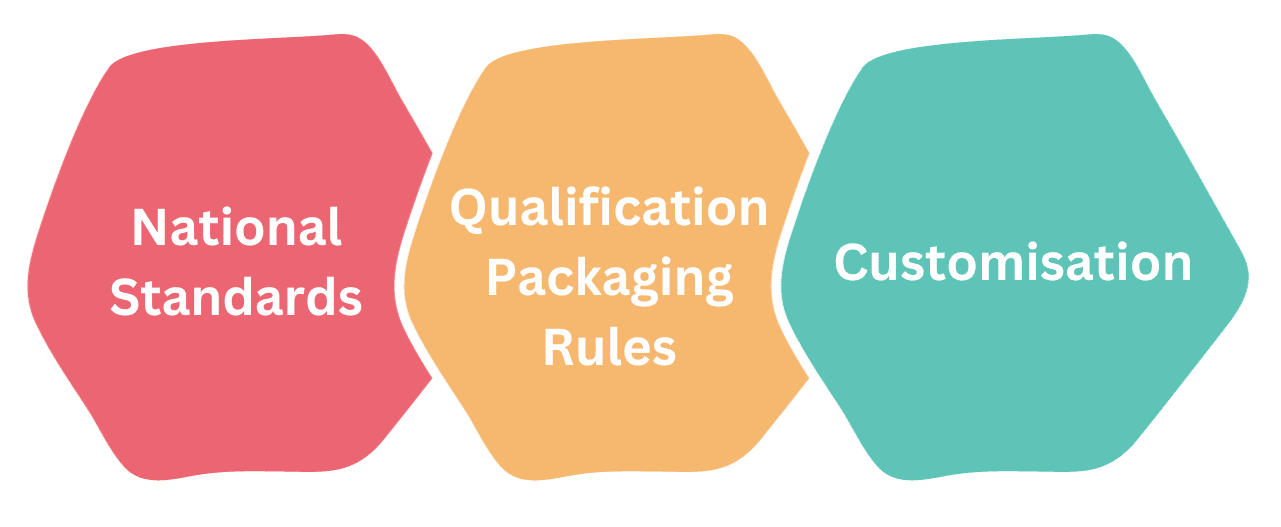
- National Standards: Units of competency are designed to meet the National Skills Standards Council guidelines, ensuring a consistent quality of Australian education.
- Qualification Packaging Rules: They adhere to specific qualification packaging rules, which dictate how units can be combined to form a nationally recognised qualification.
- Customisation: While the core content of a unit of competence is standardised, RTOs have the flexibility to contextualise it to meet specific industry needs.
The Importance of Contextualising Units of Competency
Enhancing Relevance and Engagement:
- Learner-Centric Approach: Tailoring units of competency to the learner’s environment increases engagement and makes learning more relevant.
- Real-World Application: Using examples like customer service scenarios in a customer service unit helps students understand how their learning applies in the real world.
Meeting Industry and Learner Needs:
- Industry Relevance: Customising RTO learning materials ensures that training is aligned with current industry practices and expectations.
- Learner Diversity: Recognising different learning environments and learning style preferences allows for more effective training delivery.
The Basics of Contextualisation
Understanding the Need for Contextualisation:
- Purpose: The main goal of contextualising units of competency is to adapt RTO training materials to learners’ specific needs and contexts.
- Compliance: It is crucial for meeting the rules of evidence and principles of assessment as mandated by regulatory bodies like ASQA.
Legal and Ethical Considerations:
- Regulatory Standards: Adherence to codes of practice and codes of conduct is essential in the contextualisation process.
- Fairness and Flexibility: Ensuring that the principles of fairness and the principle of flexibility are upheld in all RTO materials’ contextualisation
Contextualising for Different Modes of Delivery

Training for Classroom Delivery:
- Interactive Methods: Utilising group activities and discussions tailored to the group of mechanics or the customer service unit.
- Resource Adaptation: Modifying RTO training resources to suit classroom dynamics and different learning environments.
Workplace Training:
- Real-World Scenarios: Incorporating standard operating procedures and risk management matrix relevant to the industry.
- Third Party Evidence: Using third-party evidence and recognition of prior learning to enhance workplace-based learning.
Online Delivery Training:
- Digital Adaptation: Tailoring RTO learning materials for digital platforms, considering the type of questions and length of time for online engagement.
- Interactive Technologies: Leveraging tools like Didasko learning resources for interactive and engaging online training.
Deep Dive into Contextualisation
What Contextualisation Is and Is not:
- True Contextualisation: Adapting RTO training resources to meet specific learner and industry needs while maintaining the integrity of the unit of competency.
- Misconceptions: Contextualisation does not mean altering the core outcomes or number of elements in a unit of competence.
Starting Points for Effective Contextualisation:
- Learner Analysis: Understanding the different learning environments, learning style preferences, and educational support services
- Industry Requirements: Aligning RTO materials with current industry standards, including national skills standards council
Timing and Planning for Contextualisation:
- Scheduling: Determining the length of time needed for contextualisation based on the type of assessment and training delivery modes.
- Resource Allocation: Planning using RTO training materials and subject matter experts for efficient contextualisation.
Contextualisation of Training Resources
Identifying and Utilising Appropriate Resources:
- Resource Selection: Choosing relevant RTO learning materials and contextualising assessment tools for each unit of competency.
- Expert Input: Involving subject matter experts in developing and reviewing contextualised materials.
Adapting Materials for Diverse Learner Needs:
- Customisation Techniques: Modifying content to suit different modes of delivery, such as customer service phone calls in a customer service unit.
- Inclusivity: Ensuring materials cater to a wide range of learners, including those from diverse backgrounds like Torres Strait Islanders.
Practical Steps in Contextualising a Unit of Competency
Guidelines for Contextualisation:
- Adherence to Standards: Ensuring compliance with qualification packaging rules and national skills standards council
- Balancing Flexibility and Integrity: Maintaining the core objectives of the unit of competency while adapting to specific contexts.
The Five Key Steps in the contextualisation Process:
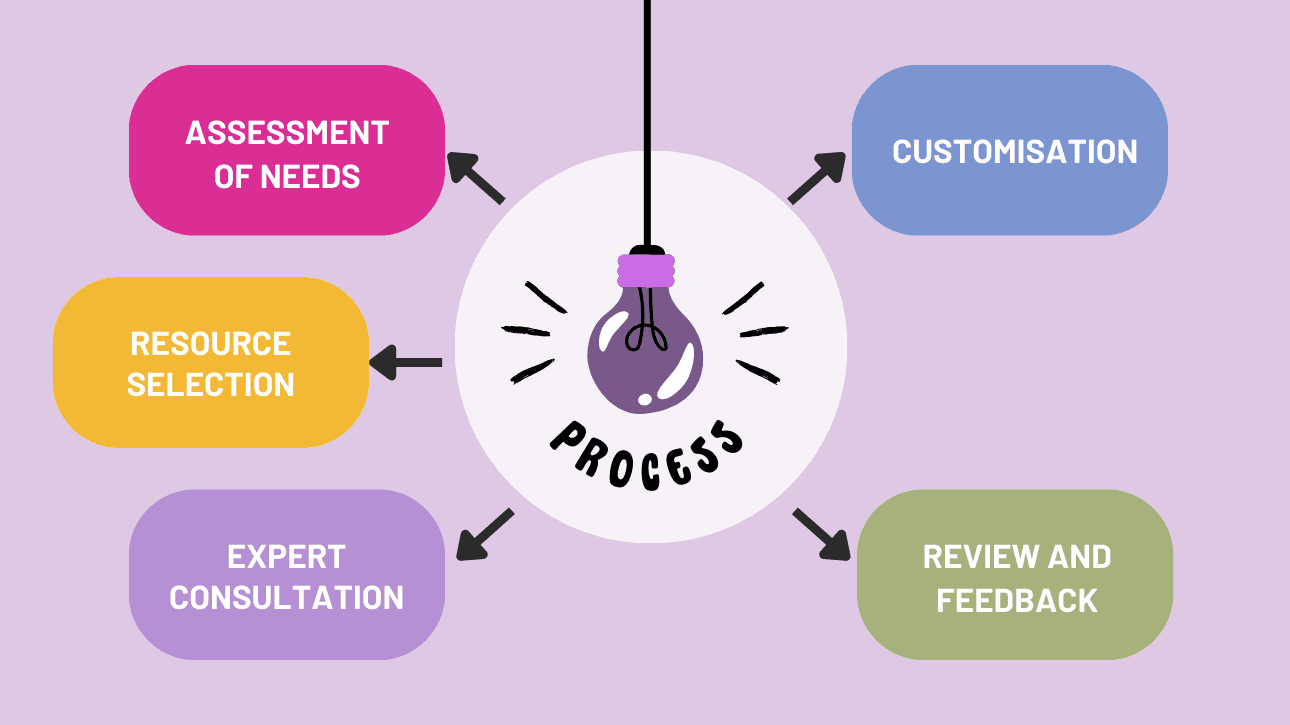
- Assessment of Needs: Analysing the specific requirements of the learner group, including different learning environments and learning style preferences.
- Resource Selection: Choosing appropriate RTO training resources and contextualising assessment tools.
- Expert Consultation: Involving subject matter experts to ensure relevance and accuracy.
- Customisation: Tailoring content and methods to suit different modes of delivery and learner needs.
- Review and Feedback: Continuously evaluate the contextualised materials and incorporate feedback for improvement.
Modifying Units of Competency in RTOs
Understanding the Scope of Modifications:
- Extent of Changes: Determining how much alteration is needed without deviating from the unit of competence’s core outcomes.
- Documentation: Keeping a detailed version history document of changes for audit and review purposes.
Ensuring Compliance with National Standards:
- Audit Readiness: Preparing RTO materials for scrutiny under ASQA guidelines and codes of practice.
- Quality Assurance: Regularly reviewing and updating materials to align with the evolving quality of Australian education standards.
Challenges and Solutions in Contextualisation
Common Obstacles in Contextualising Units:
- Diverse Learner Needs: Balancing a varied student body’s different learning environments and learning style preferences.
- Industry Specificity: Ensuring RTO training materials are relevant across various sectors, such as the information technology sector or customer service
Strategies to Overcome These Challenges:
- Inclusive Design: Creating RTO learning materials that cater to a broad range of learners, including scenarios like a customer service phone call or a group of mechanics.
- Continuous Feedback Loop: Engaging with students and industry professionals to refine and update contextualising assessment tools and content.
Conclusion and Call to Action
Summarising Key Takeaways:
- Emphasise the importance of contextualising units of competency in providing relevant and effective RTO training.
- Highlight the role of different assessment methods and training delivery modes in successful contextualisation.
The Future of Contextualisation in RTOs:
- Discuss the evolving nature of RTO materials contextualisation, keeping pace with changes in industry and education standards.
- Anticipate future trends in different modes of delivery and educational support services.
Call to Action: Explore VET Resources for Comprehensive Support:
- Encourage readers to utilise resources like Didasko learning resources and free demo today to enhance their contextualisation efforts.
- Promote the exploration of VET Resources for further guidance and support in contextualisation of RTO materials.
Frequently Asked Questions (FAQs)
1. What does it mean to contextualise units of competency in RTOs?
Contextualising units of competency means adapting the national training standards and units to reflect the specific needs of learners, industries, or workplace environments. This process ensures that the training is relevant, engaging, and aligned with real-world applications.
2. Why is contextualisation important for RTOs?
Contextualisation allows RTOs to make the training more relevant to the learners’ work environments, improving their ability to apply skills in real-life situations. It also helps align training with the needs of employers, enhancing employment outcomes for learners.
3. What are the key steps involved in contextualising units of competency?
Key steps include identifying the specific needs of learners or industry sectors, mapping the relevant units of competency to those needs, adjusting the content and delivery methods, and ensuring that assessment tools are reflective of the contextualised learning outcomes.
4. Can I change the content of a unit of competency during contextualisation?
While you cannot change the core elements or the intent of the unit, you can adjust the delivery methods, examples, case studies, or scenarios to make the training more relevant to your learners’ context. The overall competency outcomes must still be met.
5. How do I ensure that the contextualised training remains compliant with training package requirements?
Ensure that the essential components of the training package are maintained, including the skills and knowledge required for the unit. It is crucial to review the training package and confirm that your contextualisation aligns with the unit’s core elements and performance criteria.
6. What should I consider when selecting industry-specific examples for contextualisation?
When selecting industry-specific examples, ensure they are current, relevant, and applicable to the learners’ work environments. Consult with industry professionals or employers to ensure the examples reflect real-world challenges and align with industry standards.
7. How can I assess whether the contextualisation of a unit is effective?
Evaluate the effectiveness by gathering feedback from learners and employers, reviewing assessment results, and observing learners’ ability to apply their knowledge in the workplace. Continuous improvement is key, so make adjustments based on this feedback.
8. What are some common mistakes to avoid when contextualising units of competency?
Common mistakes include oversimplifying the content, deviating too much from the core competencies, or using outdated or irrelevant examples. Always ensure that the essence of the unit is preserved while making the learning process engaging and practical for learners.
9. How do I involve employers or industry representatives in the contextualisation process?
Involve employers or industry representatives by consulting them during the planning phase, seeking feedback on the training content, and collaborating on the development of scenarios, case studies, or assessments. Their insights ensure the training is aligned with current industry needs.
10. How often should the contextualisation of units of competency be reviewed and updated?
Contextualisation should be reviewed regularly, particularly when there are updates to the training package, changes in industry standards, or feedback indicating that the training may not be meeting learner or employer needs. Annual reviews are a good practice to ensure relevance and effectiveness.
Related Products
-
$9,850.00 Original price was: $9,850.00.$3,447.50Current price is: $3,447.50.
-
$8,962.50 Original price was: $8,962.50.$2,868.00Current price is: $2,868.00.
-
$2,000.00 Original price was: $2,000.00.$800.00Current price is: $800.00.
-
$2,000.00 Original price was: $2,000.00.$800.00Current price is: $800.00.
-
$2,000.00 Original price was: $2,000.00.$800.00Current price is: $800.00.