RTO training resources and VET learning materials are foundational elements that are crucial for cultivating an enriching learning environment and equipping students with practical work experience. The integration of diverse types of assessments and the coordination of business resources form an integral part of the education business, ensuring a curriculum enriched with current news articles and reliable sources of information.
This approach not only lends much weight to the learning experience but also fosters critical reflection, a vital aspect of the academic journey. Upholding an academic integrity policy is essential, reflecting a commitment to maintaining ethical educational standards, a principle esteemed by renowned institutions. The adaptability to change of design and medium, along with the level of design in learning materials, is vital in ensuring educational efficacy.
Creating High-Quality Learning Materials
In pursuing educational excellence, crafting high-quality RTO learning materials is essential. These materials are the backbone for imparting knowledge and skills, ensuring students are well-equipped for the future.
Quality and Reliability:
Meeting Industry Standards: Ensures materials are up-to-date and relevant.
Catering to Diverse Training Needs: Tailors content to suit varied learning requirements.
Collaboration with Trusted Publishers:
Ensuring Accuracy and Relevance: Collaborative efforts with esteemed publishers guarantee precision and applicability.
Meeting ASQA Standards: Adherence to standards is crucial for maintaining educational integrity.
Types of Learning Materials:
RTO Assessment Resources: Essential for evaluating student progress.
RPL Kits: Recognise prior learning and experiences.
Vocational Placement Kits: Facilitate practical work experience.
Application of Learning Materials:
Use by Various Institutions: TAFEs, Universities, Private RTOs, and community colleges benefit from these resources.
International and Non-Accredited Training Providers: These entities also utilise RTO training materials for internal training.
Effective Assessment Strategies
Effective assessment strategies are the linchpin of a successful educational journey, providing valuable insights into student learning and progress. These strategies are multifaceted, encompassing various types and methodologies:
Principles of Equitable and Inclusive Assessment:
Partnership with Students: Fosters a collaborative learning environment.
Centring on Student Learning: Prioritises student learning outcomes and experiences.
Designing Effective Assessments:
Opportunities for Deep Learning: Encourages critical thinking and problem-solving.
Gauging Understanding and Providing Feedback: Essential for continuous improvement and growth.
Types of Assessments:
Timed Exams: A traditional yet effective method for evaluating knowledge.
Open Book Exams: Promotes the application of knowledge and use of resources.
Alternative Assessments: Visual presentations, case studies, and critical reflection papers offer diverse evaluation methods.
Importance of Clear Guidelines and Support:
Grading Rubrics: Provide clear criteria and expectations for students.
Step-by-Step Examples: Offers guidance and support for completing tasks.
Review Sessions: Facilitates additional learning and clarification.
Academic Integrity
Maintaining academic integrity is a cornerstone of any educational institution, reflecting a commitment to ethical standards and honest scholarship. Upholding this principle is essential across various academic settings, from the University of Colorado Boulder to the University of California, Berkeley.
Challenges of Maintaining Integrity:
Cheating Abatement Strategies: Implementing measures to prevent dishonest practices.
Trust and Expectations: Fostering a culture of trust and setting clear student expectations.
Designing Exams for Integrity:
Adapting to Online Settings: Recognising the need for a change of design and medium in online assessments.
Utilising Technology: Employing platforms like Canvas to make exams more cheat-proof.
Promoting Academic Integrity:
Syllabus Statements: Clearly outlining expectations and policies.
Clear Guidelines: Providing comprehensive guidelines and resources to uphold integrity.
Digital Learning and Resource Coordination
The coordination of business resources and the integration of online platforms play a significant role in enhancing the educational experience. Leveraging these tools and resources ensures a comprehensive and dynamic approach to learning.
Digital Platforms and Tools:
Use of Websites: Harnessing platforms tailored for learning experiences.
Online Assessments: Utilising digital tools for diverse assessments, from timed exams to critical reflection papers.
RTO Training Materials: Curated resources that align with industry standards and requirements.
Adapting to the Digital Landscape:
Change of Medium: Transitioning from traditional to digital learning platforms.
Level of Design: Crafting materials and resources that resonate with the digital-native audience.
Staying Updated:
Current News Articles: Integrating real-time information for a relevant learning experience.
Sources of Information: Leveraging credible online sources to enrich the curriculum.
The Comprehensive Guide to RTO Assessment Process
The RTO assessment process is a pivotal element in gauging the effectiveness of the training program. This structured pathway navigates learners through their training journey from start to finish. Let’s explore the various stages of this process and the integral role of training resources in ensuring a streamlined and practical evaluation.
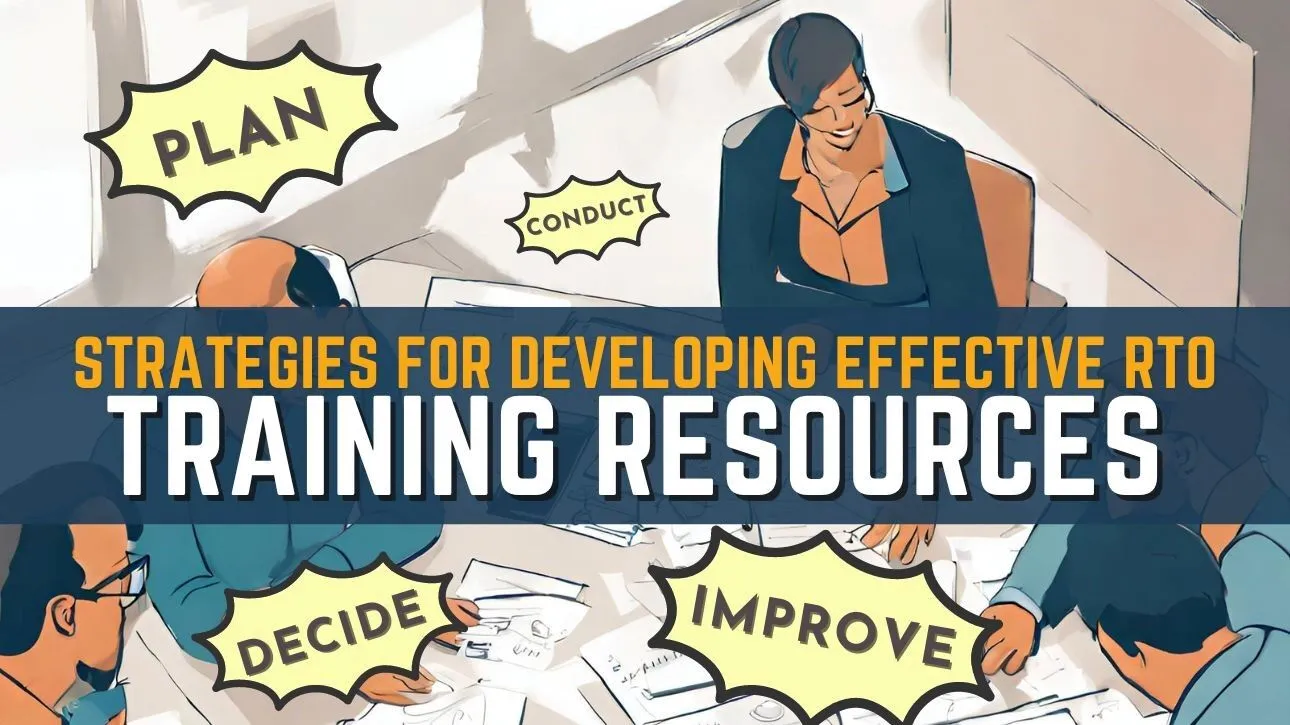
Planning and Conducting Effective Assessments
Planning Phase:
Define clear learning objectives.
Set benchmarks aligned with learning outcomes.
Develop structured and organised assessment tools.
Conducting Assessments:
Implement planned strategies.
Utilise RTO training materials for fair and valid evaluation.
Role of Assessor: Administer assessments and ensure a seamless process.
Making Informed Assessment Decisions
Analysis and Evaluation:
Analyse data collected during assessments.
Evaluate learners’ performance.
Determine learners’ competency and readiness for the professional world.
Continuous Improvement through Assessment Review
Review and Adjustment:
Use feedback to enhance RTO training resources and assessment tools.
Adjust to changing trends and demands in the industry.
Facilitate a dynamic and responsive training environment.
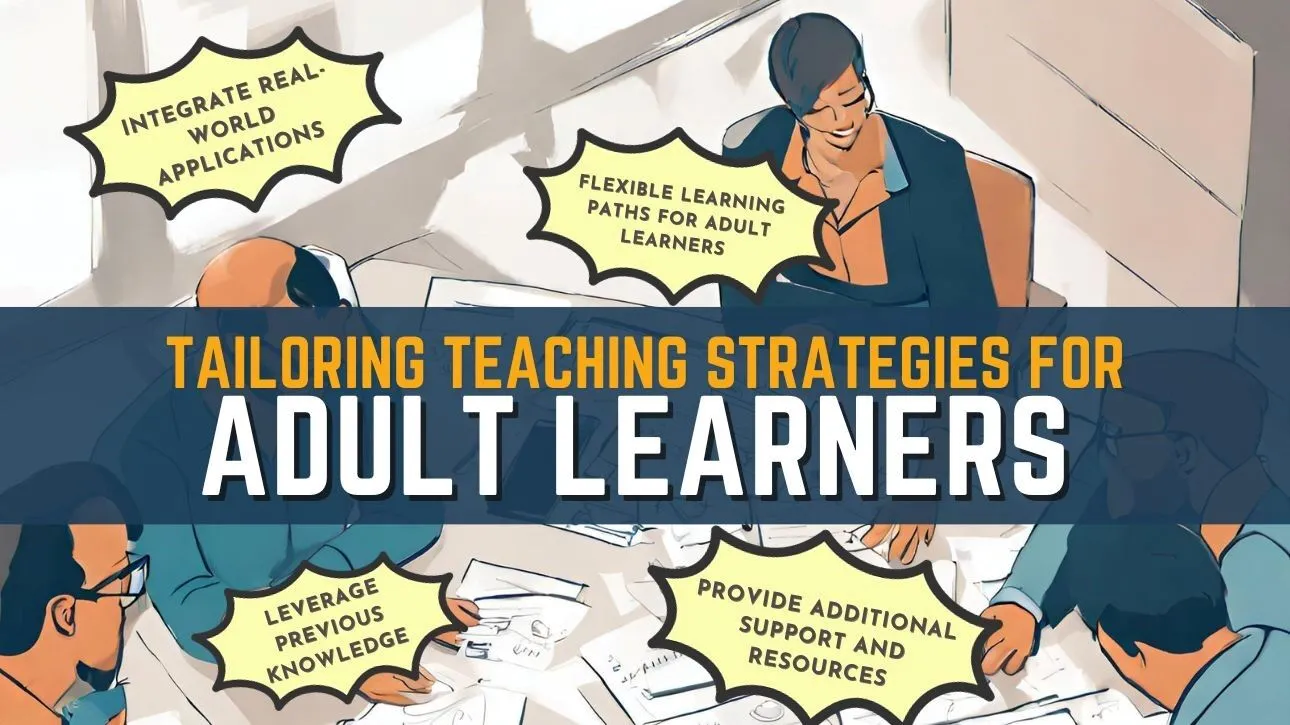
Tailoring Teaching Strategies for Adult Learners
Adult education necessitates a unique approach, focusing on the self-directed nature of adult learners, as highlighted by adult learning theories. Integrating teaching strategies that emphasise real-world applications and build on previous knowledge is crucial in fostering a conducive learning environment. Here’s how teaching strategies can be tailored to meet the distinct needs and preferences of adult learners:
Integrate Real-World Applications:
Focus on practical and applicable knowledge.
Relate learning materials to real-life scenarios.
Leverage Previous Knowledge:
Build on learners’ existing knowledge and experiences.
Encourage sharing of personal insights and experiences.
Provide Additional Support and Resources:
Offer supplementary learning materials.
Provide guidance and support to facilitate the learning journey.
Flexible Learning Paths for Adult Learners
Offering flexibility in learning paths is essential in adult education. Adult learners thrive in diverse educational environments, from online platforms to community colleges. Tailoring teaching strategies to this demographic involves:
Offer Diverse Learning Environments:
Incorporate online learning experiences.
Utilise community college setups for varied learning paths.
Encourage Active Learning Techniques:
Promote engagement through interactive learning activities.
Integrate real-world applications for practical knowledge.
Conclusion
In conclusion, the journey through education is enriched and shaped by the quality of RTO learning materials, the diversity of assessment types, and the steadfast commitment to academic integrity. Every part plays a significant role, from the practical work experience facilitated by vocational placement kits to the critical reflection encouraged by diverse assessments. The adaptability to change of design and medium, especially in the digital era, further accentuates the learning experience, making it more engaging and relevant.
Key Takeaways:
Importance of High-Quality Learning Materials: Ensuring relevance, accuracy, and diversity.
Diverse Assessment Strategies: Catering to varied learning needs and fostering deep understanding.
Upholding Academic Integrity: Maintaining ethical standards across all educational platforms.
Embracing Digital Learning: Adapting resources and assessments to the digital landscape.
Call to Action:
VET Resources is your trusted partner for those seeking to elevate the educational journey, whether you are part of an academic institution or an individual learner. VET Resources is committed to supporting your pursuit of knowledge and excellence by offering a plethora of top-notch RTO training materials and learning resources. Explore the resources available and take a step towards a more enriched and comprehensive learning experience today!
Frequently Asked Questions (FAQs)
1. What are RTO training resources?
RTO training resources include materials, tools, and strategies that help Registered Training Organisations (RTOs) deliver quality education and assessments. They ensure that learners receive the best training experience, aligned with industry standards.
2. Why are training resources important for RTOs?
They ensure assessments are fair, consistent, and effective, helping to meet compliance requirements and improve student outcomes.
3. How do RTO training resources impact assessment strategies?
By providing structured, detailed resources, RTOs can design more effective assessments that evaluate real-world skills and align with training packages.
4. What is the role of a holistic approach in training resources?
A holistic approach considers all aspects of training, including content delivery, assessment design, and learner support, to create a comprehensive learning experience that supports both teaching and assessment goals.
5. How can RTOs improve their assessment strategies with better resources?
By using up-to-date, industry-relevant resources, RTOs can ensure their assessments reflect current practices, are more engaging, and enhance student understanding and performance.
6. What types of resources are commonly used in RTO assessments?
Common resources include training manuals, assessment tools, scenario-based exercises, industry reports, and software or simulation tools for practical skills assessment.
7. Can RTO training resources help in achieving compliance?
Yes, well-structured training resources help RTOs comply with Australian Skills Quality Authority (ASQA) standards, ensuring that assessments are consistent, fair, and meet industry requirements.
8. How do RTOs select the right training resources?
The selection process involves considering the training package requirements, learner needs, and the alignment of resources with both educational and assessment goals.
9. How can RTOs ensure their assessment resources stay up to date?
Regular review, feedback from industry stakeholders, and staying informed about updates to training packages help RTOs keep their resources current.
10. What are the benefits of using high-quality RTO training resources?
High-quality resources lead to better learner engagement, more accurate assessment results, and greater satisfaction among students and employers, ultimately enhancing the RTO’s reputation.
Disclaimer: The information presented on the VET Resources blog is for general guidance only. While we strive for accuracy, we cannot guarantee the completeness or timeliness of the information. VET Resources is not responsible for any errors or omissions, or for the results obtained from the use of this information. Always consult a professional for advice tailored to your circumstances.
Ben Thakkar is a Compliance, Training, and Business specialist in the education industry. He has held senior management roles, including General Manager, with leading Registered Training Organisations (RTOs) and Universities. With over 15 years of experience, Ben brings extensive expertise across audits, funding contracts, VET Student Loans, CRICOS, and the Standards for RTOs 2025.