


A physiotherapy program is a structured therapeutic strategy designed to help individuals recover, rehabilitate, or maintain physical function. In Australia’s VET sector, HLTAHA003 unit delivers the skills and knowledge required for allied health assistants to support physiotherapists in delivering the training accurately with right safety measures.
This blog covers the step by step guide on delivering an effective physiotherapy program approach by linking directly to HLTAHA003 (Deliver and Monitor a Client Specific Physiotherapy Program) and shows how studying this unit turns theory into workplace ready practice.
A physiotherapy program is developed by professional physiotherapists who address the specific needs, goals, and physical capabilities of a client. The therapy plan often includes therapeutic exercises, posture management throughout the clock, movement strategies, respiratory care, and ongoing monitoring.
HLTAHA003 unit in VET resources, describes how an allied health assistant can deliver and monitor these programs under proper supervision, safety measure, and effective communication with clients.

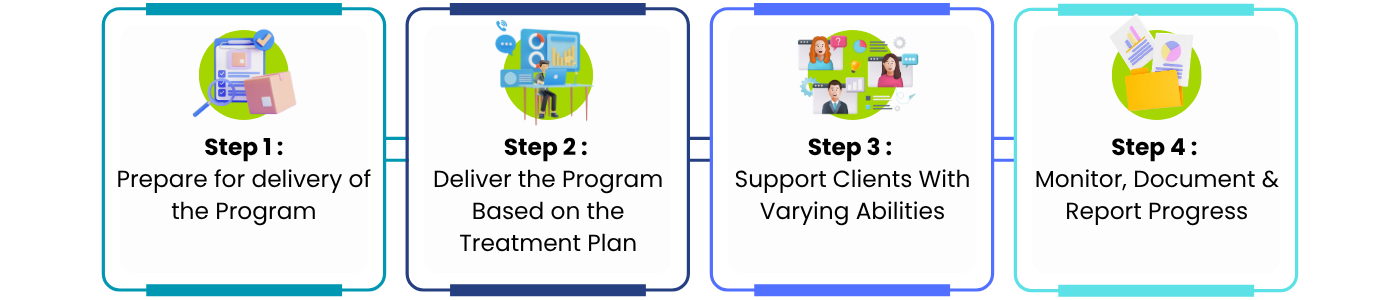
HLTAHA003 Element 1 : Prepare for delivery of a client specific Physiotherapy program
Preparation is set.
Obtaining the program details
Get clear written or verbal instruction from the supervising physiotherapist on the clients goal, exercises, frequency and any restriction.
Check clients availability and environment
Confirm the clients time slot and ensure the treatment space is clean and safe
Gather equipment
Collect items such as resistance bands, wedges, or machines as specified in the plan that meets the client’s need for physiotherapy treatment.
This proper preparation phase reduces the errors and builds confidence for both client and the treating physiotherapist.
Element 2: Deliver Physiotherapy program based on treatment plan
Theory meets practice.
Steps to follow
Confirm clients understanding and obtain consent
Before starting the treatment, briefly explain the day’s activities, check that the client understands, if they need any modification or progression and get verbal or documented consent.
Assist with positioning and exercises
Help the client into the correct posture on the treatment table, chair, or standing frame following the Physiotherapy instruction. Guide the client while exercising.
Recognise distress and respond appropriately
While doing the exercise if you find the client is having some pain, becomes breathless, or asks you to slow down, you must change the activity or stop it immediately.
Provide reinforcement feedback
Motivate your client with small gestures and positive language that results correct movement patterns and promote confidence.
Plan follow up session
Focus on continuity by helping clients schedule upcoming visits or home exercise sessions.
This step gives the real clinical practice and makes clients feel supported and safe during every session.
Theory meets practice.
Clients come with diverse capabilities. Not all clients can sit up easily, stand independently, or breath comfortably throughout the entire session.
Element 3: Assist with programs for client with varying ability to participate
Adaptive physiotherapy program.
Monitor poster and positioning
For clients with spinal or neurological conditions you may help positioning them 24 hours managing the posture. But understanding the client conditions you must adjust it.
Support Movement and respiratory care
Monitor breathing patterns, and assist with limb oedema management within your scope. If anything falls out, report to the physiotherapists immediately.
| Client need | Action |
| Reduced mobility | Adjust positioning, provide stability support |
| Oedema management | Monitor limb swelling, report observation |
| Respiratory concerns | Monitor breath patterns |
| Pain or discomfort | Stop or change the activity |
These tasks are important for aged care, rehabilitation units, where the program is centered with people.
Element 4 comply with supervisor requirements
Element 5 clean and store the equipment
Documenting the clinical report is safe and accountable.
Encourage questions
Communicate with clients, ask questions and understand the clients comfort and discomfort.
Provide progressive feedback
After each physiotherapy session document the clients difficulties, improvement, safety concerns and report to the physiotherapist
Implement changes and seek help
If the physiotherapists adjusts the program, you must apply those changes accurately. If the client faces any unexpected trouble and inconvenience, you must report it to physiotherapist.
After each session, make sure the cleanliness according to infection control guidelines by cleaning the mats, weights, machines which ensures safety.
Physiotheraphy program for HLTAHA003 in vocational program is designed to meet clients physical need by customizing the individual therapeutic activities which is allied health assistant role.
HLTAHA003 training can be delivered by allied health assistants under the supervision of physiotherapist. RTOs often use resources to structure delivery and assessment.
Yes, both online and blended is possible. Simulated workplace activites must be supervised and validated.
The unit requires allied health assistant to work under the supervision of physiotherapist for client safety.
Hope now you got to understand an effective way of delivering physiotherapy program in steps which involves structuring the preparation, engagement with clients, execute with care, and monitor throughout the session.
By aligning training with HLTAHA003, RTOs ensures that students are prepared to support therapist and clients in real healthcare workplace.
