


In the fast-paced world of Australian commercial kitchens, success is more than just about cooking delicious meals — it’s about planning, coordinating, and executing cooking operations like a pro. For RTOs and trainers, offering the nationally recognised unit SITHKOP013 Plan Cooking Operations is a game-changing opportunity to boost your training scope and deliver high-demand, industry-relevant qualifications.
Whether you want to enrol aspiring chefs, upskill experienced cooks, or train hospitality students, this unit enables you to offer certification that leads to real career outcomes. With purchase-ready learner resources, e-learning modules, and assessment kits available, your RTO can get started quickly, stay compliant, and meet market demand — all while helping students advance from line cook to leadership roles in the hospitality industry.
✅ What the unit covers
✅ Why it’s essential for your hospitality
✅ How to apply its principles in real-world kitchens
✅ Where to get the best learning and assessment resources
We’ll also sprinkle in some Aussie humour, practical tips, and real-world examples to keep it lively. Plus, you’ll find handy links to premium resources from VET Resources to support your training and assessment.
SITHKOP013 Plan Cooking Operations is part of the SIT Tourism, Travel and Hospitality Training Package. It’s commonly delivered in qualifications such as:
This unit teaches you how to plan, organise, and monitor cooking operations to meet service and quality requirements for a set period or event. It’s not just about making great food — it’s about:
🍽️ Organising the kitchen team
🍽️ Managing time, resources, and equipment
🍽️ Ensuring food safety and compliance
🍽️ Delivering a top-notch customer experience
If you’re ready to move from line cook to leader, mastering this unit is essential.
Let’s break it down into its four main elements.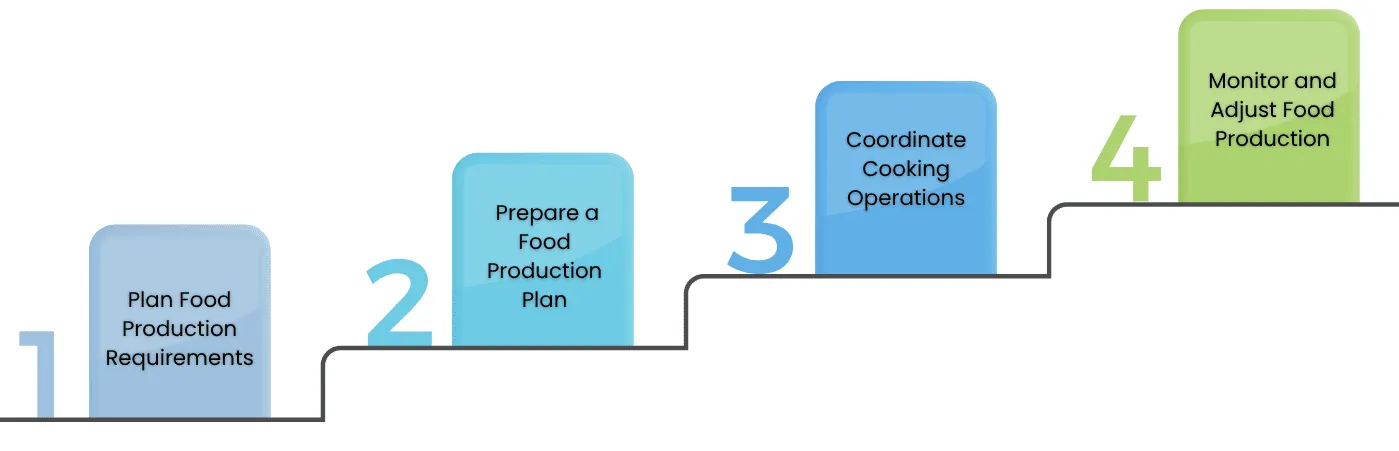
You’ll learn how to:
👉 Example: For a 100-person wedding, you’d plan not only the dishes but how to manage vegetarian, vegan, or gluten-free requests, and ensure you have all tools ready — from blenders to blast chillers.
This step involves:
👉 Example: You’d prepare a timeline for cold starters, hot mains, and desserts, making sure everything flows smoothly and nothing clashes for oven space.
Here, you’ll apply leadership skills:
👉 Example: If your grill chef calls in sick, you’ll need to reassign tasks on the fly to avoid delaying customer orders.
Finally, you’ll:
👉 Example: Spotting that the pasta station is falling behind, you might shift a commis chef over temporarily to speed things up.
This unit prepares you to run a kitchen like a pro.
✅ Customer Satisfaction: Timely, high-quality food = happy guests.
✅ Team Efficiency: Clear roles and planning reduce stress.
✅ Profitability: Smart portioning and planning cut waste.
✅ Compliance: Meet Australia’s strict food safety and WHS standards.
Without proper planning, even the most talented kitchen can fall into chaos.
Here’s how you can use this unit in your day-to-day work:
Create a detailed prep list covering:
👉 Tip: Use whiteboards or apps to visualise tasks.
Before service, gather the team to:
👉 Tip: Keep it brief — under 10 minutes — but make sure everyone understands.
Things go wrong — embrace flexibility.
👉 Tip: If equipment fails, adjust the plan quickly, and communicate with the team.
Plan for:
👉 Tip: Assign a food safety leader each shift.
Smart planning supports:
Australian kitchens are diverse — from remote outback pubs to Michelin-starred restaurants in Melbourne or Sydney. But they share some common challenges:
And don’t forget the Aussie kitchen slang:
Adding a touch of humour and local flavour keeps the kitchen vibe positive.
To truly master this unit, you need high-quality learning materials. Here’s where VET Resources has you covered:
Learner Resources for SITHKOP013 Plan Cooking Operations
Comprehensive, trainer-designed learner guides aligned to Australian standards — ideal for students and RTOs.
E-learning SITHKOP013 Plan Cooking Operations
Interactive, online training modules perfect for self-paced learning, engaging videos, quizzes, and real-world scenarios.
Assessment Kit SITHKOP013 Plan Cooking Operations
Ready-to-use assessment tasks and mapping documents to support trainers in delivering compliant assessments.
Learning and Assessment Kit SITHKOP013 Plan Cooking Operations
The all-in-one package — combining learner guides, assessments, and trainer resources for a complete delivery solution.
RPL Kit SITHKOP013 Plan Cooking Operations
For experienced workers seeking Recognition of Prior Learning (RPL), this kit streamlines evidence collection and assessment.
Interlinking Tip for Blogs:
When mentioning these resources in your blog, hyperlink them using the product names like we did above — it improves SEO and helps readers navigate directly to what they need.
This unit sets you up for roles such as:
It’s not just about getting qualified — it’s about gaining skills that drive your career forward.
Mastering SITHKOP013 Plan Cooking Operations is like unlocking the secret sauce to kitchen success — and for RTOs, it’s a chance to offer a sellable, in-demand qualification that combines culinary artistry with logistical precision. This skillset is vital in Australia’s competitive hospitality scene, and with ready-to-deliver learner resources, assessment kits, and e-learning options available, your RTO can purchase, implement, and start delivering this course to meet growing market demand and boost student enrolments.
Whether you’re a student, trainer, or chef looking to upskill, the right resources make all the difference. VET Resources offers the best-in-class learner materials, assessments, and e-learning to help you succeed.
👉 Explore their full range:
I can help you create:
✅ A free SITHKOP013 planning checklist
✅ Customised SITHKOP013 practice quizzes
✅ Kitchen leadership tips for new chefs
Just let me know — I’m here to help you sharpen your kitchen and training skills!