

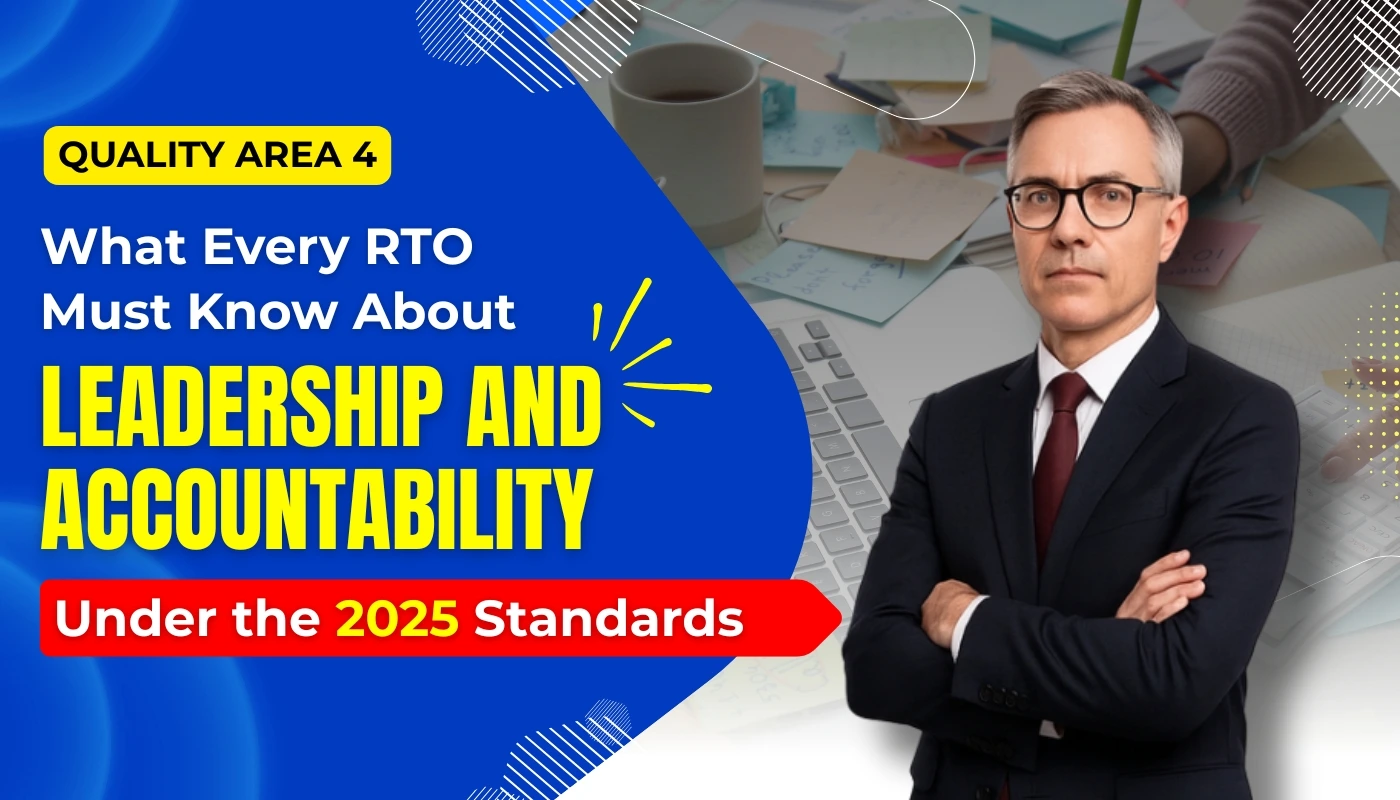
🔍 ASQA has shifted the spotlight.
With the updated Standards for RTOs 2025, particularly under Quality Area 4: Leadership and Accountability, the CEO is no longer seen as a passive figurehead.
They are expected to lead, understand, and own every major system, process, and outcome tied to the RTO’s compliance and operational performance.
And if they don’t?
ASQA may deem the organisation as lacking sufficient governance capability.
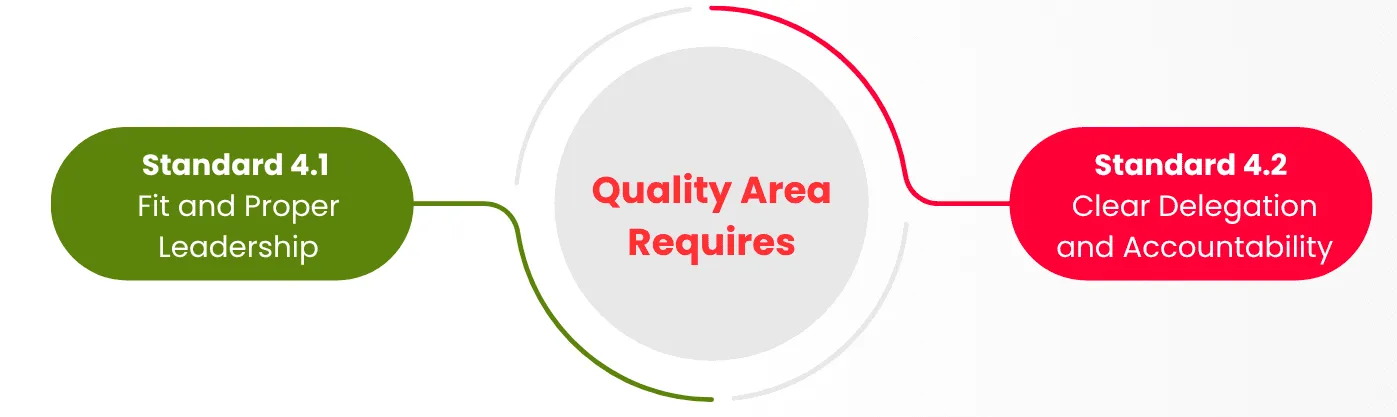
The person (or people) in control of the RTO must:
✅ Be suitable to govern (ethically and legally)
✅ Lead with integrity and informed decision-making
✅ Understand and monitor compliance and quality outcomes
Leaders must ensure:
✅ Everyone has clear, documented roles and responsibilities
✅ Delegated duties are actively monitored
✅ The CEO knows who is doing what, and how it’s being tracked
If you are the CEO, your title now comes with active leadership expectations, including:
📊 Understanding compliance data
🧩 Overseeing enrolment, delivery, and marketing processes
👥 Managing third-party contracts and external agents
📣 Leading organisational culture and values
🛠️ Making informed, auditable decisions — not assumptions
Here’s what the CEO must be prepared to discuss during a regulatory audit:
| 🔍 Audit Area | 💬 CEO Must Be Able to Explain |
|---|---|
| 🟩 Scope of Registration | Which courses the RTO is approved to deliver, and how updates are monitored |
| 📂 Enrolment & Student Records | How the RTO ensures compliant enrolment processes and accurate records |
| 📄 Assessment Validation | How tools are checked and how validation is conducted |
| ✅ Trainer Competency | How the RTO ensures trainers/assessors meet currency and PD requirements |
| 📢 Marketing Accuracy | Who checks marketing material and how compliance is maintained |
| 🤝 Third-Party Oversight | What agreements are in place, and how partners are monitored |
| 📁 Delegation | Which roles are delegated, to whom, and how the CEO stays informed |
👀 Do I know how our training materials are validated?
📊 Can I explain how student complaints are handled and recorded?
📈 Am I reviewing key data like completions, feedback, and trainer PD?
🧾 Am I involved in governance meetings or reporting reviews?
📂 Can I name who is responsible for third-party contracts and how we monitor them?
If you answered “no” to any of these, there may be a leadership visibility gap — and that’s exactly what ASQA wants to identify and prevent.
It’s common for CEOs to delegate all operational oversight to compliance officers or RTO managers.
But under the new standards:
💬 Delegation is allowed — lack of awareness is not.
If you’ve delegated a task, you must still:
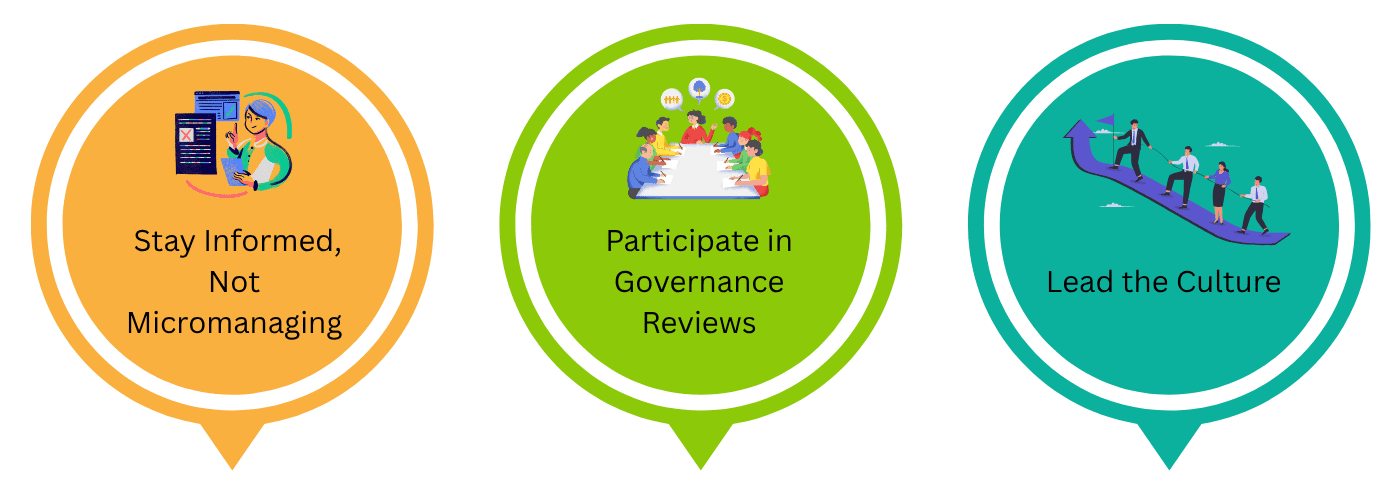
🧠 Stay Informed, Not Micromanaging
You don’t need to complete validation checks yourself, but you do need to know:
🗓️ Participate in Governance Reviews
Attend regular leadership or compliance meetings to review:
📣 Lead the Culture
You are responsible for embedding values like:
If the staff sees you taking compliance seriously, it becomes part of the culture.
❓ What does Standard 4.1 mean for an RTO CEO?
It means the CEO must be a fit and proper person who leads the RTO responsibly. This includes being aware of compliance obligations, understanding how the organisation operates, and ensuring ethical decision-making.
❓ Will the CEO be interviewed during an ASQA audit?
Yes. Auditors may ask the CEO specific questions about systems, delegation, student outcomes, third-party arrangements, and governance. This is to confirm that the CEO has real insight and leadership engagement.
❓ Can a CEO delegate their responsibilities?
Yes, tasks can be delegated, but accountability remains with the CEO. The CEO must still monitor the outcomes of delegated duties and be ready to explain them in an audit.
❓ What if the CEO doesn’t know the answers during an audit?
This can result in a finding of non-compliance under Standard 4.1 or 4.2, and may lead to:
❓ What are ASQA’s expectations of CEO capability?
ASQA expects CEOs to:
❓ Do CEOs need formal training in compliance?
No specific qualification is required, but they must demonstrate:
The updated Standards for RTOs 2025 place real leadership responsibilities on the CEO. It’s not just about governance—it’s about ownership.
✅ Know your scope
✅ Understand your systems
✅ Be involved in decisions
✅ Monitor your risks
✅ Lead by example
The more confident and informed the CEO is, the more compliant the RTO becomes — and the more successful the audit outcomes will be.