


The Resources and Infrastructure Industry (RII) Training Package is one of the most heavily regulated areas in vocational education. When your RTO delivers high-level civil construction qualifications—especially the Diploma and Advanced Diploma streams—your trainer and assessor requirements go far beyond the standard TAE requirements under the Standards for RTOs 2015.
Yet many RTOs still treat RII units like any other training product.
This is where the disaster begins.
Several RII units, including:
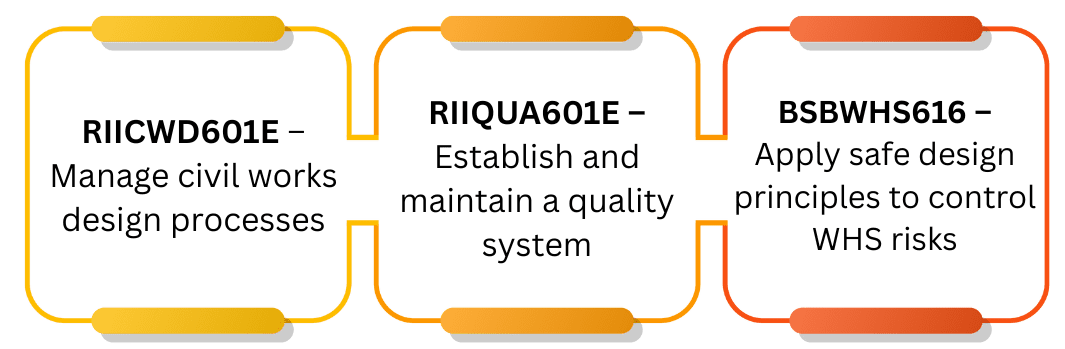
have explicit additional trainer and assessor requirements built into the National Training Register that must be met at all times. These requirements relate to:
If your assessors do not meet these requirements, your RTO is immediately at risk of major non-compliance, credential recall, sanctions, and even cancellation.
This blog explains the exact requirements and what every RTO must do now.
Unlike many other units where any qualified assessor can assess competence, the RII Training Package introduces a stricter rule:
Assessors and/or Industry Subject Matter Experts (SMEs) must demonstrate minimum years of current industry work experience after achieving competency.
The required experience aligns with the AQF indicator level and industry sector.
| Industry Sector | AQF Indicator | Required SME/Assessor Experience |
|---|---|---|
| Drilling, Metalliferous Mining, Coal Mining, Extractive (Quarrying), Civil Infrastructure | 1 | 1 year |
| Same Sectors | 2 | 2 years |
| Drilling, Coal Mining, Extractive (Quarrying), Metalliferous Mining, Civil Infrastructure | 3–6 | 3 years |
| Other Sectors | N/A | In line with industry standards or regulation |
For Diploma and Advanced Diploma civil construction units (AQF 5–6)
Assessors must have minimum 3 years of current industry experience.
And “current” does not mean 10 years ago. It means:
Many RTOs do not meet this requirement — and most do not even realise it exists.
The RII Training Package does allow an RTO to pair a qualified assessor with an industry expert. This model is acceptable only when done properly:
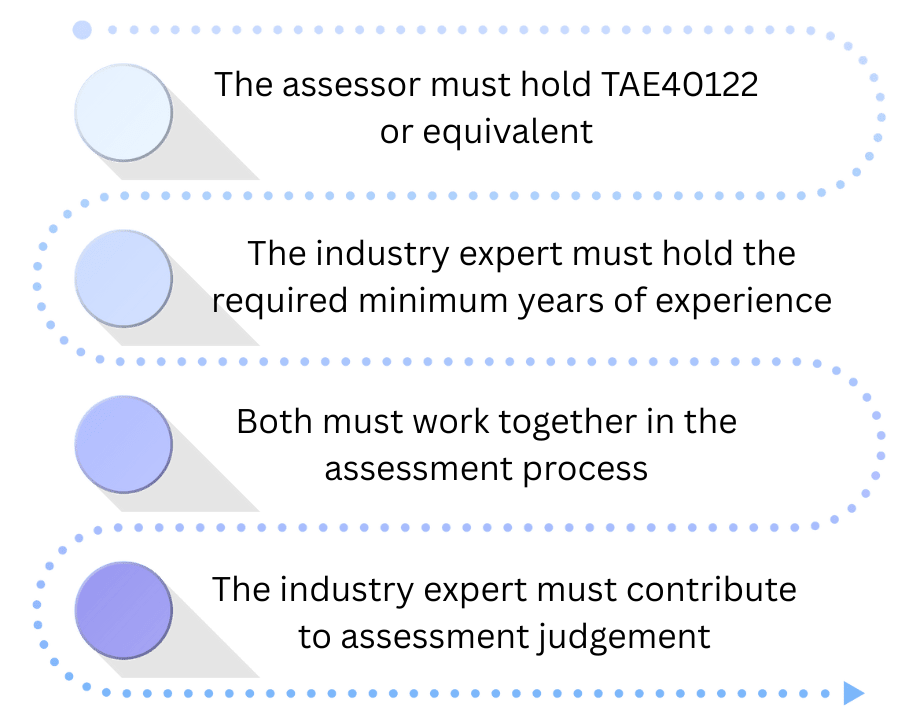
This is not optional.
This is not a workaround.
This is a requirement.
If your assessor does not have the 3 years of AQF-aligned experience, your RTO must use an industry SME who does. If you fail to do so, your assessment becomes instantly invalid.
Civil construction, design management, WHS design, and quality system units are high-risk competencies.
Learners who graduate from these qualifications will be responsible for:.
A trainer or assessor without the correct experience creates a pipeline of unsafe graduates —
and ASQA is fully aware of this risk.
This is why civil construction units require not just knowledge, but recent, real-world, engineering-aligned experience.
Non-compliance in this area is classified as serious and systemic.
If your RTO is audited and ASQA finds:.

ASQA has cancelled multiple RTOs for this exact reason—incorrect assessor experience in high-risk industries.
No RTO can afford this.
Check whether each assessor for Diploma/Adv Diploma civil construction units has:
If your assessor does not meet the industry experience requirement:
Your TAS must explicitly reflect the:
Keep:
Continuing to deliver non-compliant training is one of the top reasons ASQA cancels RTOs.
If your college is delivering Diploma or Advanced Diploma Civil Construction units, you must ensure your trainers and assessors meet the explicit vocational experience requirements listed on the National Training Register.
This is not optional.
This is not flexible.
This is not something ASQA overlooks.
Your entire qualification delivery can collapse if this requirement is ignored.
Now is the time to review your staff, update your matrices, and secure appropriately experienced SMEs before ASQA does a deep compliance check.
If you need support reviewing your RTO’s trainer and assessor requirements, I can help you develop: