



G’day, RTOs from all corners of Australia! Are you puzzled about how to make third-party resources resonate with your students? Or perhaps you’re wondering how to align these resources with the unique needs of your learners? If that’s the case, you’re in the right place! This blog post, inspired by a [VET Resources YouTube video](https://www.youtube.com/watch?v=3voyoaqbsaU), aims to demystify the complexities of contextualizing RTO resources. So, grab a cuppa, and let’s get started!

First things first, aligning third-party resources with the specific needs of your student cohort is not just a good-to-have; it’s an absolute must. This goes beyond mere compliance; it’s about delivering an educational experience that is both meaningful and impactful.
When your resources are in tune with your students’ needs, you’re not just meeting compliance requirements; you’re elevating the entire educational journey. This leads to increased student engagement, improved retention rates, and ultimately, more successful educational outcomes.
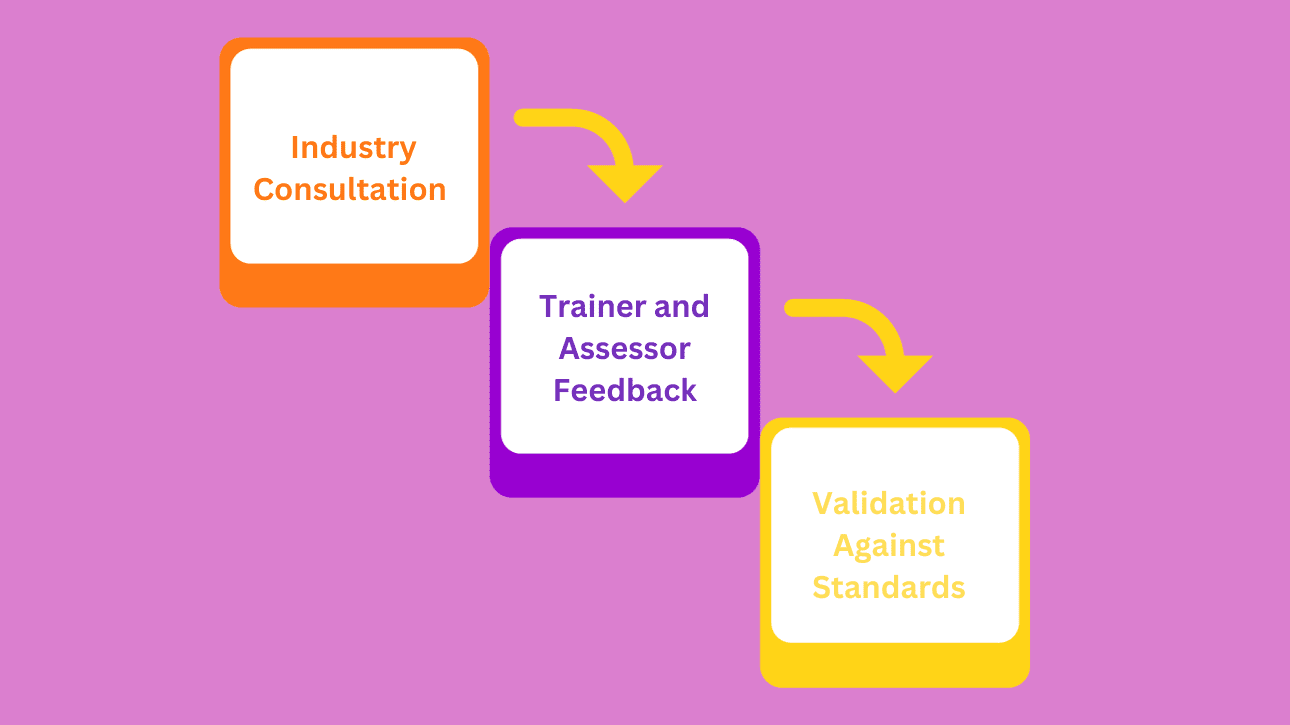
Contextualizing your resources is not an optional extra; it’s a critical component of effective education. But what does this entail? The answer lies in a multi-faceted approach that involves industry consultation, trainer feedback, and rigorous validation.
Recognition of Prior Learning (RPL) is an area that has often been overlooked but is gaining more attention. With ASQA focusing on RPL in 2023, it’s crucial to have robust RPL resources that meet compliance standards.
The Significance of RPL
RPL is not just a compliance checkbox; it’s a powerful tool for social mobility and workforce readiness. By recognizing the skills and knowledge that students have acquired outside formal education settings, RPL enables more people to gain qualifications and advance in their careers.
Compliance is not just about avoiding penalties; it’s about building a reputation for quality and trustworthiness. Here are some key points to keep in mind:
Key Compliance Considerations
The VET landscape is constantly evolving. To stay ahead of the curve, RTOs need to be agile, adaptable, and proactive.
How to Future-Proof Your RTO
Ready to elevate your RTO’s compliance and quality? At VET Resources, we offer a wide range of resources designed to help you succeed. Visit our website today, and don’t forget to subscribe to our [YouTube channel](https://www.youtube.com/channel/VETResources) for more expert insights!
Clause 1.8 is a critical standard in the VET sector that outlines the requirements for conducting effective assessments.
Engagement can take many forms, from surveys and interviews to advisory boards and consultation panels.
Some common pitfalls include poor alignment with cohort needs, lack of compliance, and neglecting RPL resources.
It’s advisable to review and update your resources at least once a year or whenever there are significant changes in industry standards or regulations.
Best practices include regular internal audits, transparent documentation, and ongoing staff training.
Adaptability is key. Stay updated with industry trends, invest in staff training, and be open to technological advancements.
Technology can streamline operations, improve resource management, and enhance the student experience.
Quality assurance involves rigorous validation, continuous improvement, and alignment with industry standards.
Improving student engagement involves aligning resources with student needs, incorporating interactive elements, and providing real-world context.
Non-compliance can lead to penalties, loss of accreditation, and a damaged reputation.