

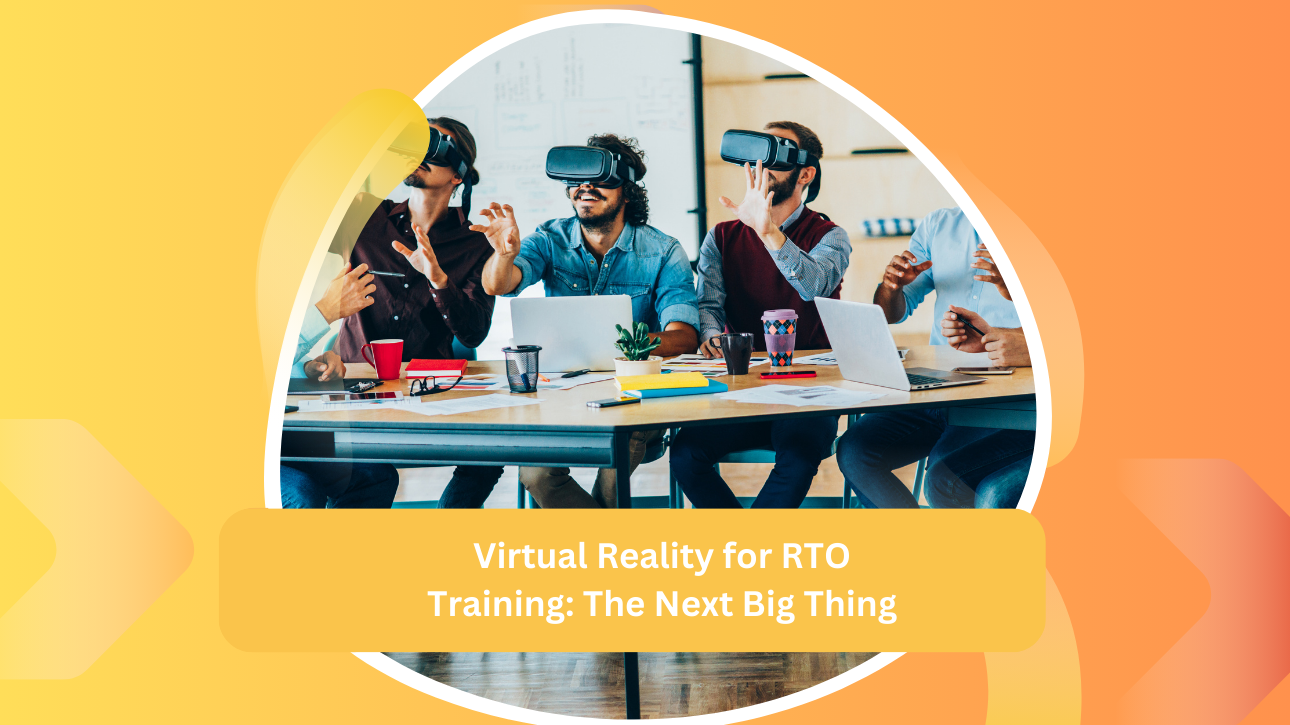
In your experience with student training, you must have realised that not all students learn the same way. Some learn well through visual aids; some learn by practising, and some might be kinesthetic learners. And as the times are changing, a new way of learning is becoming the favourite of students – Virtual Reality.
According to a recent study by PwC, it was found that learners learnt 4 times faster than traditional methods, and they were 3.75 times more engaged with what was being taught.
But you do not know what virtual reality is, and how it can help your RTO. We have prepared this blog for that purpose only. This blog will provide all your answers related to virtual reality. So let us begin.
Virtual reality (VR) is a simulated experience that can be similar to or completely different from the real world. A person using a VR headset is completely immersed in the experience, seeing and hearing the virtual world as if they were really there.
VR headsets use sensors to track your head and eye movements, as well as your body movements. This information is then used to create a realistic 3D environment that you can explore and interact with.
To create the illusion of depth, VR headsets present slightly different images to each eye. This is based on the principle of stereopsis, which is the ability to see depth by using the images from both of your eyes.
VR headsets also use a variety of other technologies to create a realistic and immersive experience, such as haptic feedback and spatial audio.
In short, VR works by tricking your brain into thinking that you’re in a different place.
The term “virtual reality” was coined in the 1980s by Jaron Lanier, an American computer scientist and entrepreneur. Lanier is considered to be one of the pioneers of VR technology, and he founded the company VPL Research, which developed some of the first VR headsets and gloves.
VR technology has come a long way since the 1980s, and it is now used in a wide range of applications, including gaming, entertainment, education, and training. VR is also being used to develop new medical treatments and therapies.
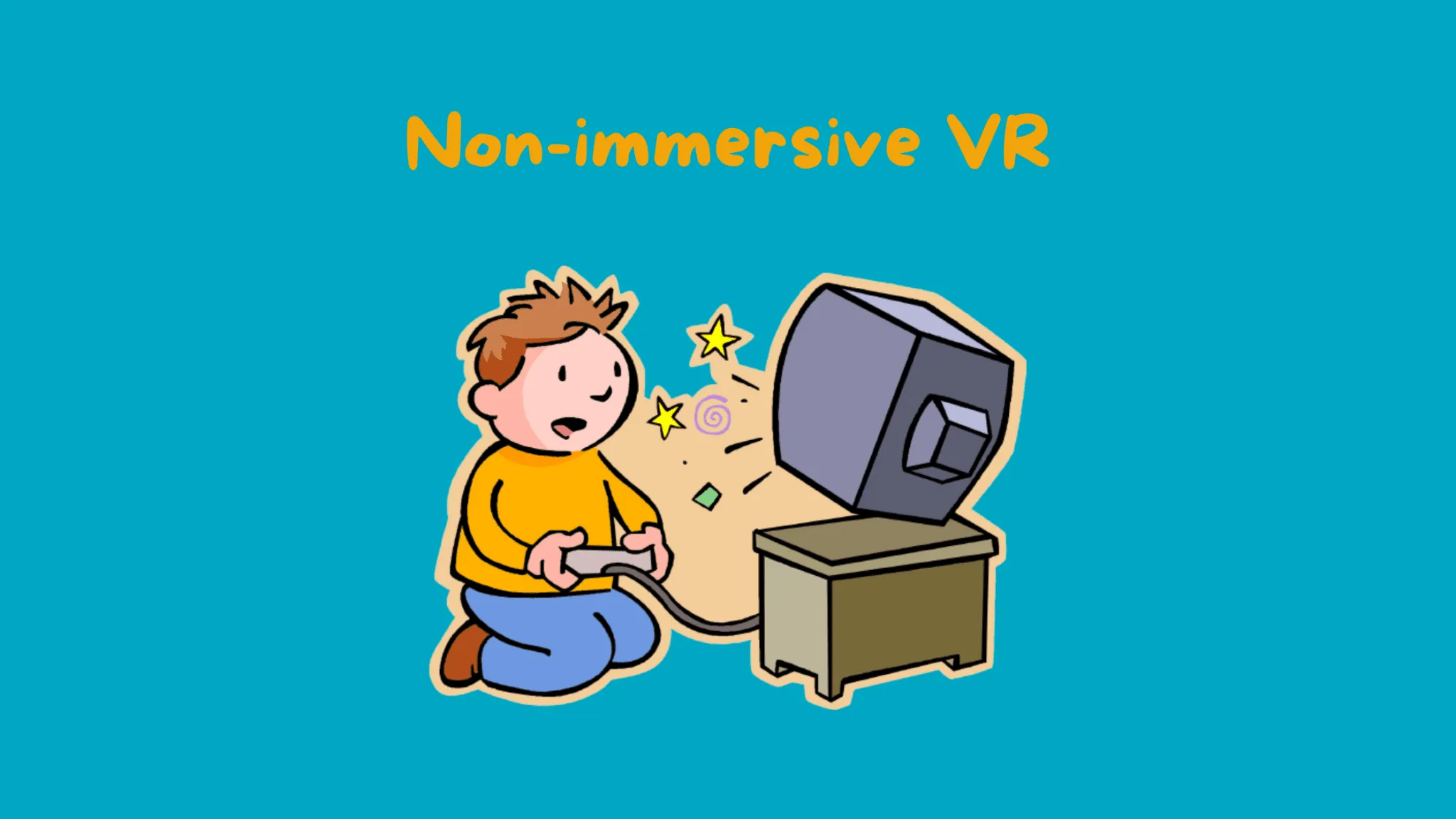
Non-immersive VR: This is the most common type of VR, and it’s probably what you think of when you hear the term. It’s the kind of VR you experience when you play a video game on a TV or PC monitor. You’re in control of the character, but you’re not actually part of the simulation.
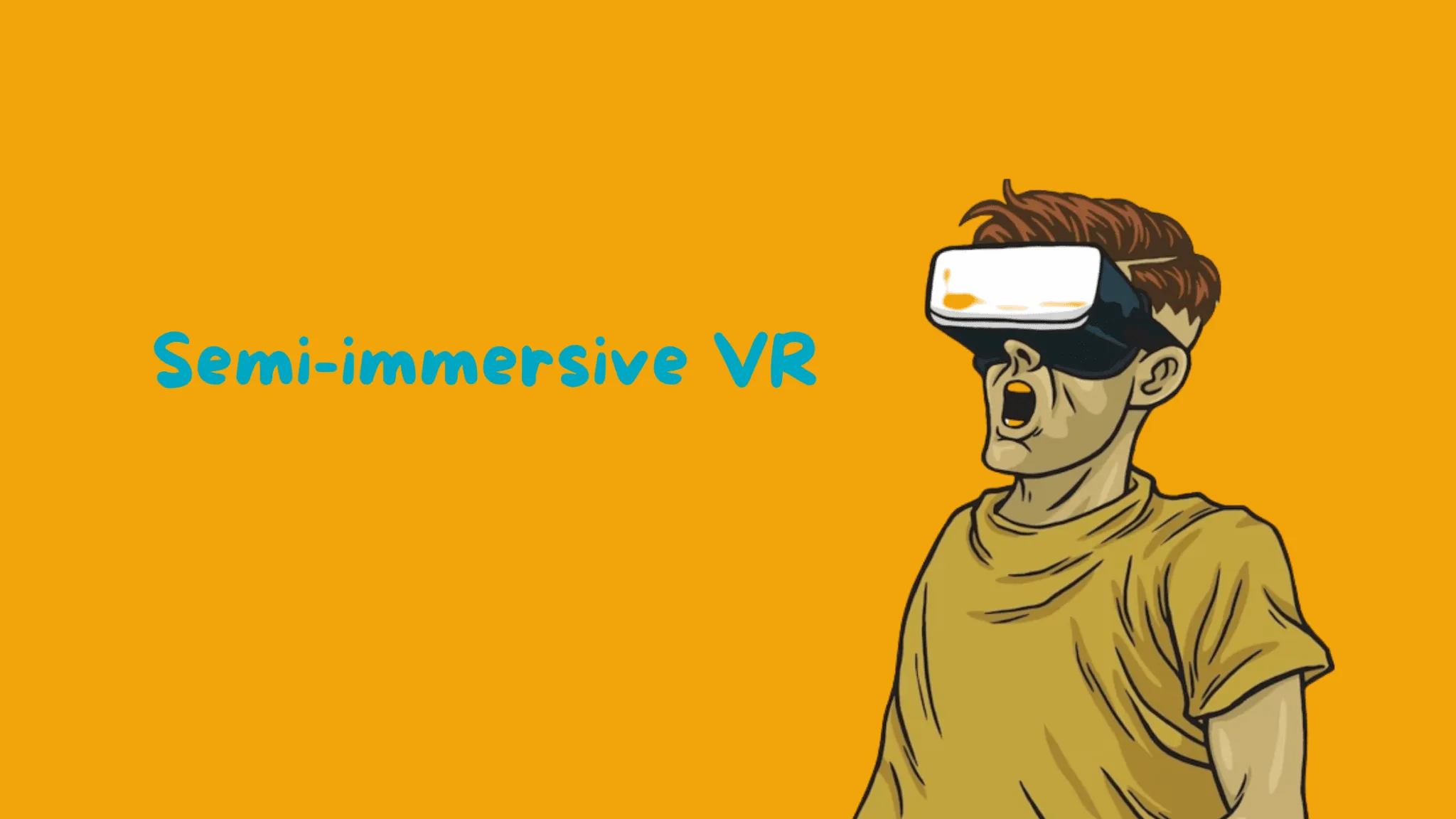
Semi-immersive VR: This type of VR bridges the gap between non-immersive and fully-immersive VR. It has more realistic graphics and sounds than non-immersive VR, but it doesn’t fully immerse you in the experience. You can still see the real world around you, and you can easily leave the simulation by looking away from the display. Semi-immersive VR is often used for training and simulations because it allows others to observe and provide guidance.
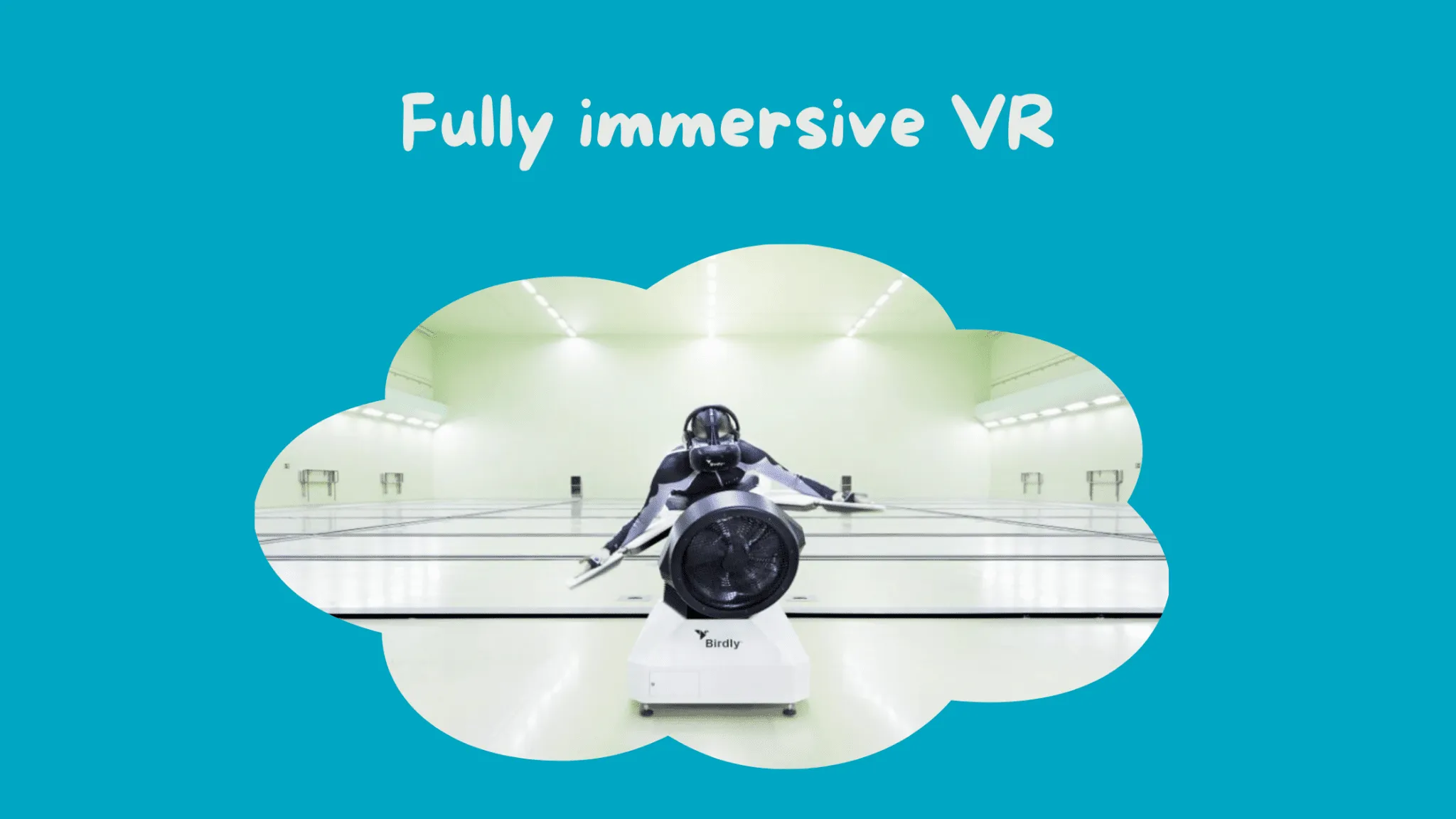
Fully immersive VR: This is the type of VR that most people think of when they think of the term. It’s the kind of VR that makes you feel like you’re actually inside the simulation. Fully immersive VR uses specialised headsets or projectors to create a seamless virtual environment that surrounds you. You can move your head and look around just like you would in the real world. Fully immersive VR is often used for gaming, entertainment, and education.
It depends on what you want to use it for. If you’re just looking to have some fun, then non-immersive or semi-immersive VR may be all you need. But if you want to experience the full potential of VR, then you’ll need to invest in a fully immersive VR headset.
Here are some examples of how different types of VR are used:
VR is a rapidly developing technology with new applications being discovered all the time. As VR headsets become more affordable and accessible, we can expect to see VR become even more mainstream in the future.
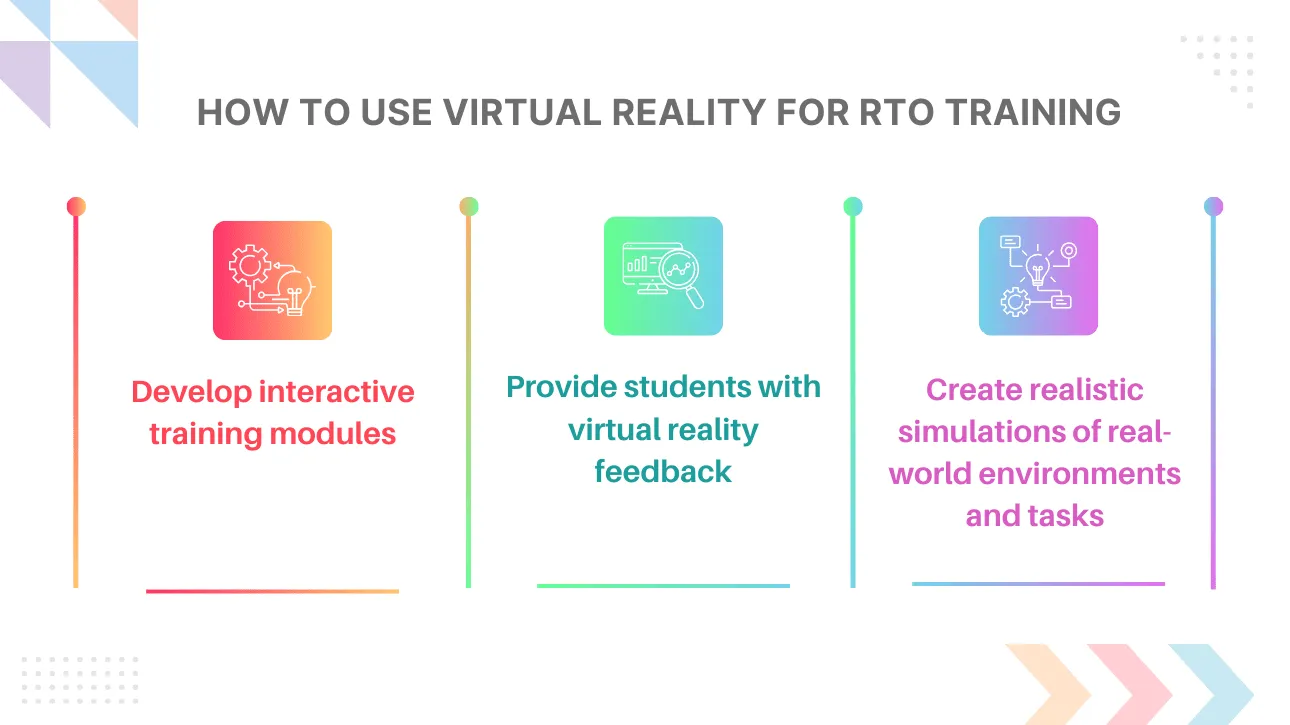
VR is a powerful tool that can help you improve your training programs in several ways. If you’re not already using VR in your VET programs, we encourage you to give it a try. You may be surprised at how effective it can be.
These are just a few examples of how VR is being used to improve VET programs. As VR technology continues to develop, we can expect to see even more innovative and effective ways to use VR in training.
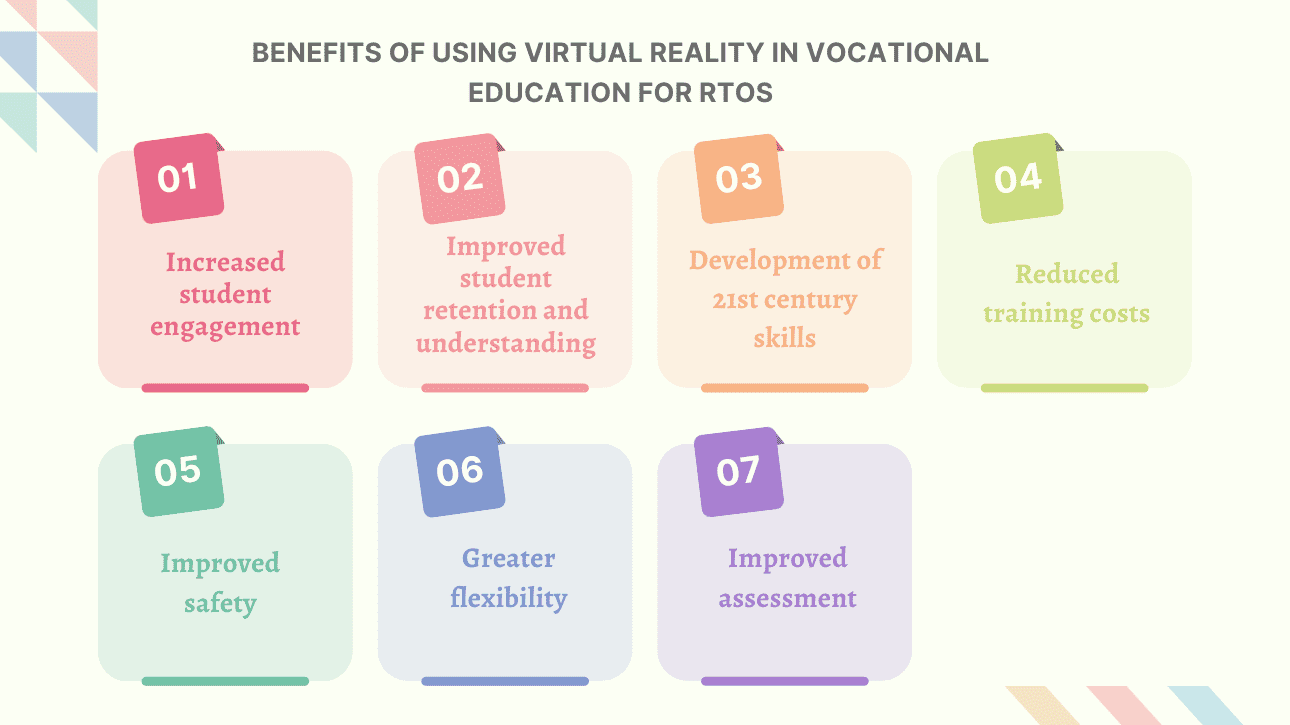
Virtual reality (VR) is a rapidly evolving technology that is revolutionising the way we learn and work. VR offers several advantages for vocational training, including increased engagement, improved retention and understanding, and the development of 21st-century skills. Overall, VR offers several significant vocational training benefits. As VR technology continues to develop, we can expect to see it become even more widely used in educational settings.
Are you an RTO looking for quality RTO training resources? If yes, then VET Resources is your partner. We also have a YouTube Channel with videos on RTO-related matters. We also offer free consultation to RTOs. For further information, please contact us.
Virtual Reality (VR) in Registered Training Organisation (RTO) training involves using immersive digital environments to simulate real-world scenarios. It enhances the learning experience by allowing students to practice skills and gain experience without the risk of real-world consequences.
VR provides hands-on, interactive training experiences that enhance understanding and retention. It helps students practice skills repeatedly in a safe, controlled environment, increasing their confidence and readiness for real-life situations.
While VR can significantly enhance training in industries like healthcare, aviation, construction, and hospitality, its applicability varies by course. It is most effective in environments requiring practical, hands-on training or simulations of complex scenarios.
Implementing VR in training can be costly due to the need for specialised equipment, software, and development. However, these costs can be offset over time through improved training efficiency, better student outcomes, and reduced need for physical resources or travel.
VR training offers immersive, hands-on experiences that traditional methods can’t match. It allows learners to engage actively with the material and experience realistic scenarios, whereas traditional training is more passive and often theoretical.
Yes, VR training requires specific hardware like headsets (e.g., Oculus Rift, HTC Vive) and a compatible computer or console. Additionally, you’ll need software to create and run the training simulations, which may require technical expertise to set up and maintain.
Yes, VR training can be integrated with Learning Management Systems (LMS) used by RTOs. This integration ensures that student progress, results, and completion are tracked, providing a seamless experience for trainers and students.
Learners use VR headsets and motion controllers to interact with virtual environments. They can perform tasks, make decisions, and respond to dynamic training scenarios, providing an active and immersive learning experience.
Yes, VR can be tailored to meet the needs of learners with disabilities. Features like adjustable controls, accessibility settings, and alternative modes of interaction can be implemented to ensure that all students can benefit from VR training.
Some challenges include high initial costs, technical issues, and a learning curve for both trainers and learners. These can be addressed through careful planning, ensuring that equipment and software are reliable, and offering adequate training for staff and students to maximise the potential of VR tools.