


RTO assessment tools play a critical role in ensuring that students receive effective, measurable, and industry-aligned training. From learner guides and assessment kits to observation checklists and work placement instructions, these tools provide a structured approach to evaluating and tracking student progress. By integrating the best assessment tools, Registered Training Organisations (RTOs) can enhance the quality of their training programs, ensuring that their graduates are job-ready and confident in their skills.
The planning phase sets the foundation for developing assessment kits. It involves considering the assessment requirements of the training package or accredited course, seeking input from industry engagement, and selecting appropriate assessment methods for the student cohort.
First and foremost, educators need to thoroughly understand the assessment requirements outlined in the training products or an accredited course. These requirements define the skills and knowledge that learners need to demonstrate. By understanding these requirements, educators can design assessment kits that effectively measure learners’ competency levels.
Consulting with Australian industry professionals or subject matter experts is crucial during the planning phase. Industry engagement ensures that the assessment kits align with real-world expectations and reflect current industry practices. Input from industry experts helps validate the assessment methods and ensures their relevance and applicability.
Choosing appropriate assessment methods is essential to accurately measure learners’ performance. Consider the characteristics of your student cohort, such as their learning styles, prior knowledge with the help of RPL kits, and accessibility needs. Common assessment methods include written tests, practical demonstrations, projects, portfolios, and observations. Selecting a mix of assessment methods that align with the learning outcomes and suit the student cohort promotes a comprehensive evaluation of learners’ skills and knowledge.
The design and development phase focuses on creating assessment kits that meet the principles of assessment (fairness, flexibility, validity, and reliability) and the rules of evidence (validity, sufficiency, authenticity, and currency). While introducing new courses, the RTO must also implement the principles of assessment and rules of evidence in training resources and assessment materials.
Assessment kits typically consist of multiple components, such as instructions, tasks, marking guides, and feedback forms. During the design phase, educators need to ensure that all these components align with RTO materials like learner guides. Clear instructions should be provided to learners, outlining the purpose of the assessment, the tasks they need to complete, and the criteria against which they will be evaluated. Marking guides should align with the learning outcomes and provide detailed criteria for assessing learners’ performance. Additionally, feedback forms should be designed to provide constructive feedback to learners and guide them towards improvement.
The principles of assessment – fairness, flexibility, validity, and reliability—guide the development of reliable and valid assessment kits.
The rules of evidence – validity, sufficiency, authenticity, and currency—guide the collection and evaluation of evidence during assessments.
The compliance review involves evaluating the assessment kits against predetermined criteria. Engage a team of experienced educators or subject matter experts to review the tools for clarity, alignment with learning outcomes, fairness, and reliability. Collect feedback and make necessary revisions to enhance the quality of the tools.
Conduct a pilot test of the assessment kits with a small group of learners. This allows for the identification of any potential issues or challenges in the assessment process. Collect feedback from both learners and assessors and use it to refine the tools before implementing them on a larger scale.
Assessment kits should be continuously reviewed and improved based on feedback from learners, assessors, and industry professionals. Stay updated with changes in industry requirements and incorporate them into the assessment tools to maintain their relevance and effectiveness.
RTO Assessment Tools can be categorised into three main types:
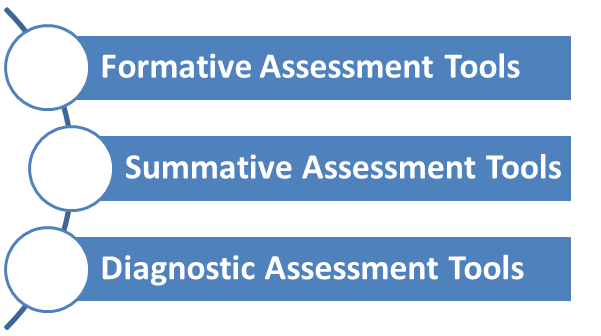
Formative Assessment materials are designed to gather information about learners’ progress and provide feedback for improvement during the learning process. These tools help trainers and assessors monitor learners’ understanding and identify areas where additional support may be required. Examples of formative assessment tools include quizzes, short tests, class participation, discussions, observations, checklists, and peer and self-assessment activities.
Summative Assessment Tools are used to evaluate learners’ performance at the end of a learning period or course. These tools assess whether learners have achieved the desired learning outcomes and competencies. Examples of summative assessment kits include written exams and assessments, practical demonstrations and simulations, projects, case studies, portfolios, and work samples.
Diagnostic Assessment kits are employed to identify learners’ existing skills, knowledge, and competencies before enrolment. The RTO materials and training resources are contextualised according to learners’ needs. These tools help trainers and assessors tailor RTO training materials to address learners’ specific needs and provide appropriate support. Examples of diagnostic assessment tools include pre-assessment questionnaires, skills assessment strategies, interviews, discussions, and recognition of prior learning (RPL) assessments. RTO consultants use LLND materials or LLND tools to assess the language, literacy and numeracy of students before enrolment.
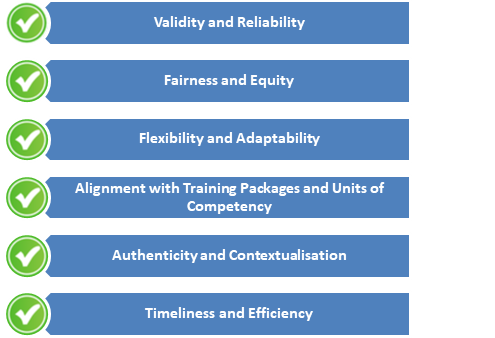
Effective RTO Assessment Tools must exhibit validity and reliability. Validity refers to the extent to which an assessment kit measures a learner’s understanding of the training resource. Reliability ensures consistent results when the assessment tool is administered repeatedly. RTOs should invest in the development and use of assessment tools that have undergone rigorous validation processes.
Assessment tools should prioritise fairness and equity, providing all learners with an equal opportunity to demonstrate their skills and knowledge of training resources. They should be free from bias and discrimination based on culture or gender. RTOs should promote inclusivity and ensure that assessment practices cater to the diverse needs of learners.
RTO Assessment Tools should be flexible and adaptable to accommodate the diverse needs and learning styles of learners. They should allow for reasonable adjustments and accommodate learners with disabilities or specific requirements. RTOs should consider incorporating alternative assessment methods and providing appropriate support to ensure fairness and equal opportunity.
Assessment tools must align with the requirements and performance criteria specified in RTO training packages and units of competency. They should reflect industry best practices and current standards. RTOs should regularly review and update their assessment tools to ensure alignment with the latest industry requirements.
Assessment tasks should be authentic and contextualised to real workplace situations. Learners should be able to apply their skills and knowledge in practical scenarios relevant to their industry. RTOs should design assessment tasks that simulate real-world situations and provide learners with opportunities to demonstrate their competence in authentic workplace contexts.
Assessment tools should provide timely and efficient feedback to learners. Trainers and assessors should be able to complete assessments within a reasonable timeframe without compromising quality. RTOs should prioritise the efficient management of assessment processes to avoid unnecessary delays and ensure learners receive timely feedback.
RTO assessment tools are the backbone of effective training programs, ensuring that both trainers and students can achieve success. By investing in high-quality, compliant tools, RTOs can elevate their training programs, meet industry demands, and ensure that their students are equipped with the skills needed for a successful career. Take your training to the next level by incorporating the best assessment tools available today.
If you are looking to buy assessment kits for your RTO, visit VET Resources. We take pride in the highest quality RTO materials, training resources, learner guides and assessment tools. We offer expert staff and RTO consultants who take extra effort to provide you with service today. We offer compliant learning resources that customers need today.
RTO assessment tools are resources designed to support the assessment process in Registered Training Organisations (RTOs). These tools include learner guides, assessment kits, observation checklists, and other materials that help evaluate student progress and ensure compliance with training standards.
RTO assessment tools ensure consistency, accuracy, and fairness in student evaluations. They help RTOs align their training with industry standards, improve student outcomes, and meet regulatory compliance requirements, which enhances the overall quality of training programs.
Common RTO assessment tools include:
RTO assessment tools provide clear, structured learning paths that help students understand the material, practice essential skills, and receive regular feedback. By offering consistent evaluation standards, these tools help students track their progress and address any gaps in learning.
Yes, high-quality RTO assessment tools are designed to meet the requirements set by regulatory bodies like ASQA (Australian Skills Quality Authority). They ensure RTOs comply with national standards and maintain their accreditation.
When selecting RTO assessment tools, ensure they are:
Yes, RTO assessment tools play a crucial role in helping RTOs maintain compliance with national standards. By using tools that meet regulatory requirements, RTOs can ensure their training and assessment practices are audit-ready and reduce the risk of non-compliance.
For trainers, RTO assessment tools streamline the assessment process, save time on administrative tasks, and ensure consistency in evaluations. These tools also provide detailed guidelines, making it easier for trainers to deliver effective and focused training.
Yes, RTO assessment tools can be tailored to various industries. Whether for construction, healthcare, or information technology, there are specific tools designed to meet the needs of each sector while adhering to the national qualification framework.
You can purchase comprehensive RTO assessment tools from trusted suppliers like VET Resources. Look for tools that are fully compliant, regularly updated, and designed to improve both the learning experience and assessment efficiency.
