



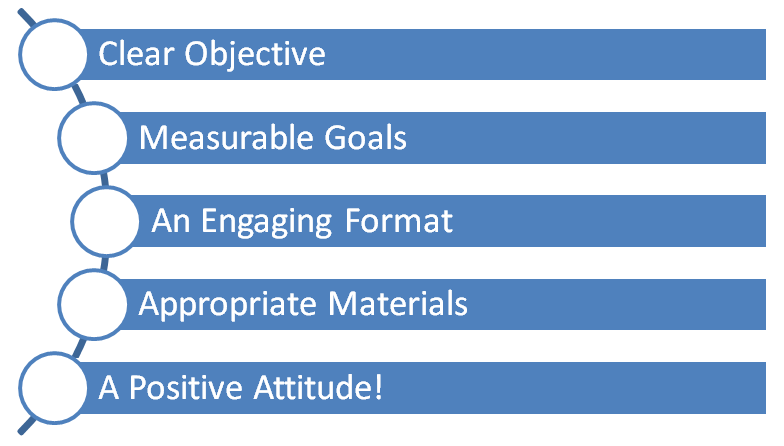
A well-designed RTO session plan can make the difference between a session that simply delivers content and one that genuinely improves learner engagement, confidence, and outcomes. In vocational education, effective training requires more than subject knowledge. It requires structure, clarity, timing, relevant activities, and a delivery approach that keeps learners actively involved. This guide explains the five must-have elements of an effective RTO session plan and how better planning can lead to more consistent, learner-focused training delivery.
In the VET sector, training delivery needs to do more than present information. It should help learners build knowledge, develop skills, and apply what they learn in realistic contexts.
A well-designed session plan helps trainers:
From a practical training perspective, session plans also reduce delivery gaps. Trainers know what to cover, how to cover it, and what learners should achieve by the end of the session.
Every effective session plan starts with a clear objective.
The objective should explain what the learner is expected to know, do, or understand by the end of the session. Without a defined goal, training can easily become too broad, unfocused, or activity-heavy without delivering meaningful outcomes.
A clear objective helps trainers decide:
Strong learning objectives also improve learner focus because participants understand the purpose of the session from the beginning.
Example:
Instead of writing “understand workplace communication,” write “identify and apply two effective workplace communication techniques in simulated customer interactions.”
That makes the session outcome clearer, more measurable, and easier to teach.
A good session plan should include measurable goals, not vague intentions.
Measurable goals help trainers evaluate whether the learning objective has actually been achieved. They also support more consistent delivery because everyone involved understands what success looks like.
These goals should be:
Measurable goals make it easier to:
For example, if a session goal is for learners to complete a role-play, identify hazards, or answer knowledge questions correctly, the trainer has a visible way to check progress.
Even strong content can fail if the session format does not engage learners.
An effective RTO session plan should include a delivery structure that keeps learners active, interested, and involved. Passive delivery often reduces attention and retention, especially in longer sessions or compliance-heavy topics.
An engaging format may include:
The best session plans create a balance between instruction and participation. This helps learners connect theory to practice and makes the session more relevant to real workplace applications.
In vocational education, relevance matters. Learners are more likely to stay engaged when they can see how the topic applies to real job roles, workplace expectations, or future assessment tasks.
Session plans should include the right materials to support the training outcome.
These may include:
The materials chosen should match the learner level, support the objective of the session, and reflect current industry expectations where relevant.
High-quality materials help trainers deliver more confidently and help learners absorb information more effectively. Poor or outdated resources, on the other hand, can confuse learners and weaken the overall training experience.
A well-prepared trainer does not just bring content. They bring the right content in the right format for the learners in front of them.
A session plan is not only about content and timing. It should also reflect the trainer’s approach to learner support.
A positive attitude can have a major impact on learner confidence, participation, and willingness to ask questions. In vocational settings, learners often come from varied educational backgrounds and may require encouragement, clarity, and practical guidance to stay engaged.
A learner-focused approach includes:
A session plan that allows room for support, interaction, and flexibility often produces better outcomes than one that focuses only on content coverage.
A well-crafted session plan supports both trainers and learners.
For trainers, it provides a roadmap for the session. It reduces the risk of forgetting important content, running out of time, or relying too heavily on improvised delivery.
For learners, it creates a more structured and engaging experience. They are more likely to understand what they are learning, why it matters, and how the session fits into the broader training program.
A strong session plan also supports consistency across delivery. This is especially important in RTOs where multiple trainers may deliver the same unit or program.
An effective session plan should do more than fill time. It should help learners move toward a meaningful result.
To build a session plan that gets results, include:
Define exactly what the learner should achieve.
Choose activities that keep learners involved and support the topic.
Make it easy for learners to understand what they need to do.
Break the session into realistic blocks to avoid rushing or losing momentum.
Include questions, short tasks, or discussions that help confirm learning during the session.
List the materials and tools needed before the session begins.
Plan for learner questions, varied ability levels, and practical reinforcement where needed.
When these elements are included, the session becomes easier to deliver and more effective for learners.
Using a session plan consistently can improve training delivery in several ways.
Trainers stay aligned with the intended learning outcomes.
Sessions are less likely to run off track or miss key content.
A planned structure helps maintain attention and participation.
Different trainers can deliver the same content more effectively.
Trainers can observe whether learners are meeting the intended goals.
Preparation reduces stress and supports smoother delivery.
In practical terms, session planning helps transform training from a basic presentation into a more purposeful learning experience.
Many session plans fail not because of bad intentions, but because of poor structure.
Common issues include:
Avoiding these mistakes can significantly improve session quality and learner satisfaction.
An effective RTO session plan is not just a document. It is a practical training tool that supports better delivery, stronger learner engagement, and more consistent outcomes.
When your session plan includes a clear objective, measurable goals, an engaging format, suitable materials, and a learner-focused approach, you create a session that is easier to deliver and more valuable for learners.
The more thought you put into your planning, the smoother your training sessions are likely to run. Better planning leads to better delivery, and better delivery leads to stronger learner outcomes.
If you want to improve the quality of your RTO training sessions, start by reviewing your session plans and strengthening the elements that matter most.