In a recent VET Resources webinar Q&A, compliance experts discussed one of the most frequently asked operational questions from RTO managers:
What is the ideal trainer–student ratio for RTO delivery, and how should RTOs determine student support officer–student ratios?
These ratios directly affect learning quality, compliance with the Standards for RTOs 2015, and audit outcomes. While the Standards do not specify exact numbers, there are best practice benchmarks that can guide decision-making.
Q1: Trainer–Student Ratio in RTO Delivery
There is no fixed trainer–student ratio in the Standards for RTOs 2015. However, certain RTO training packages — particularly in high-risk, practical, or regulated sectors — may specify recommended ratios within their assessment conditions.
Example Best Practice Ratios:
1:15 or 1:20 for practical assessment environments.
Smaller groups for high-risk or simulation-based activities such as First Aid, Construction, or Early Childhood Education.
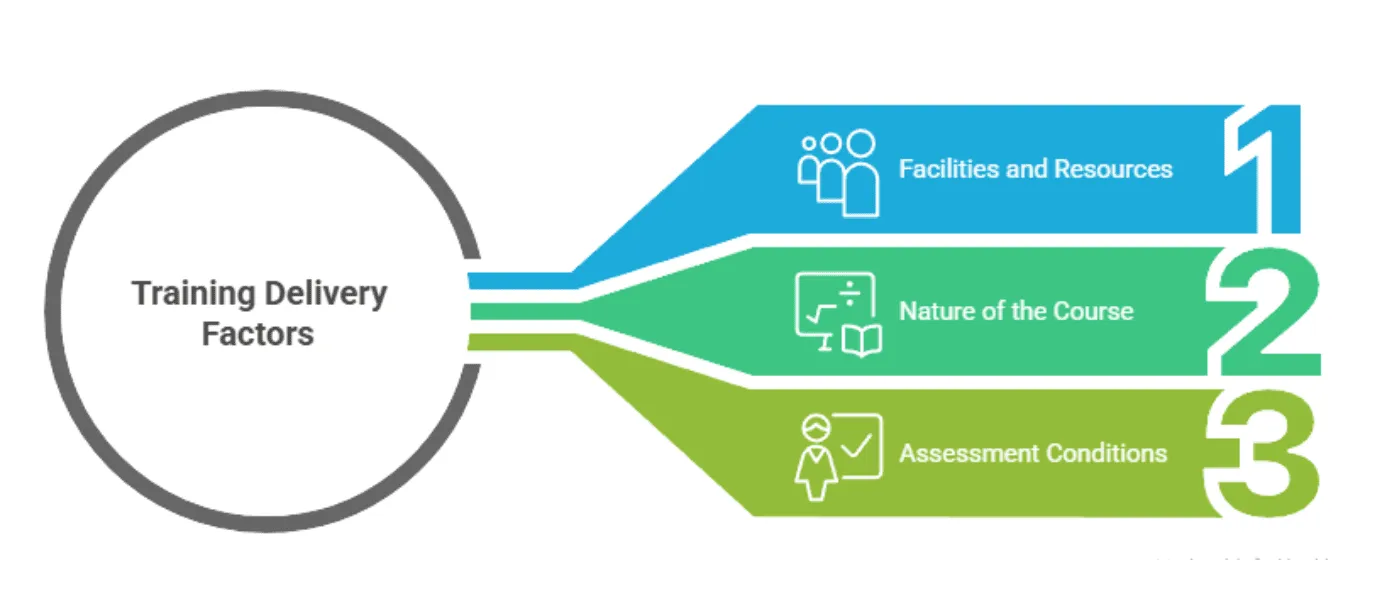
Factors to Consider When Setting Ratios:
Facilities and Resources – Your delivery space must comfortably accommodate learners without breaching WHS requirements.
Nature of the Course – Practical units may require closer supervision; theory-based training may allow for larger groups.
Assessment Conditions – Some units clearly outline conditions for assessment, including maximum student numbers.
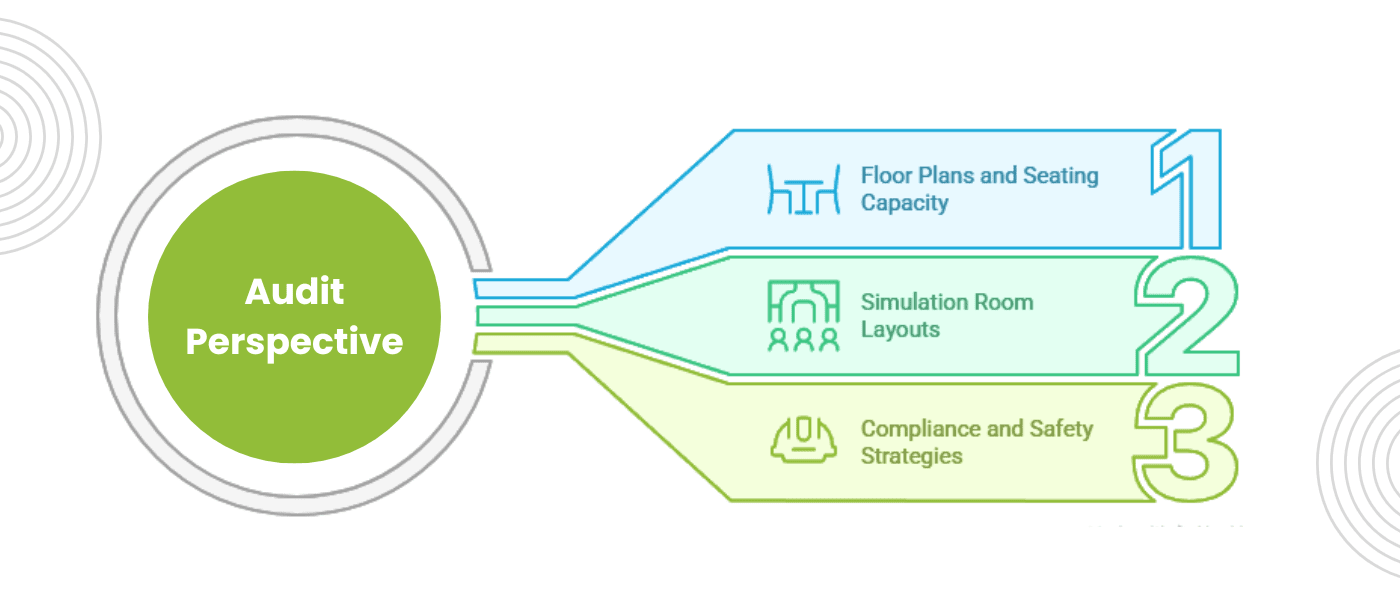
Audit Perspective: Auditors often request evidence to justify your trainer–student ratio, which may include:
The Standards do not set a fixed student support officer–student ratio, but Standard 1.7 requires RTOs to provide adequate support for students to successfully complete their training.
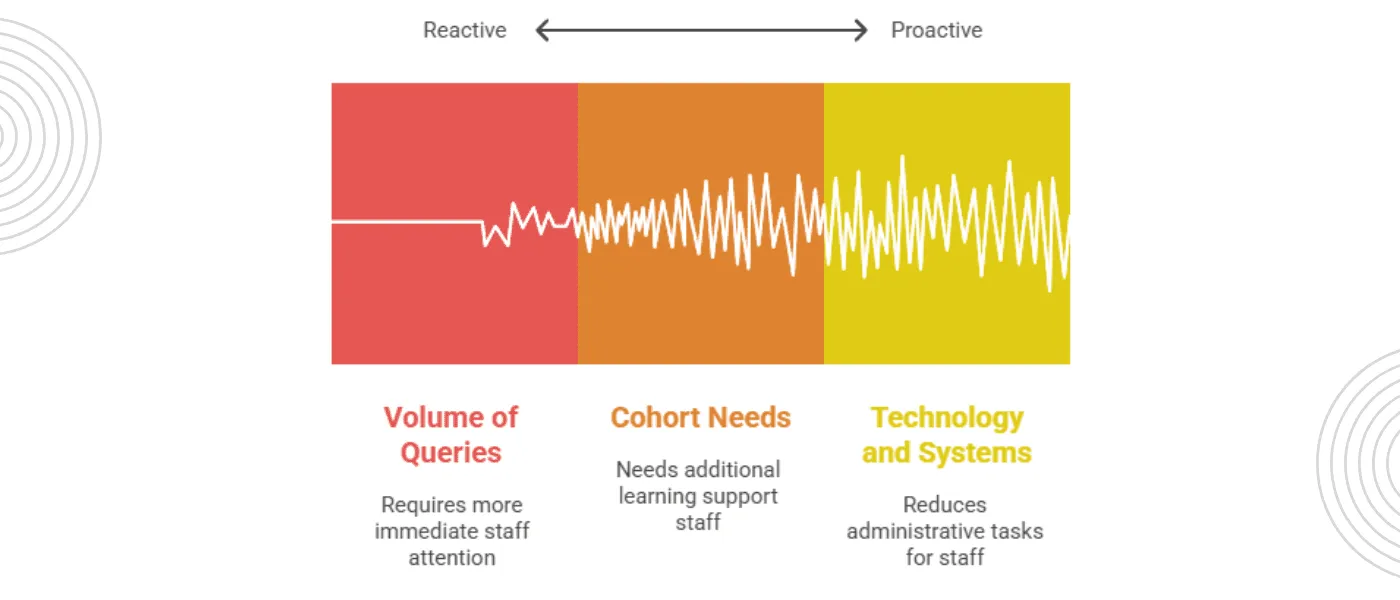
How to Determine a “Sufficient” Ratio:
Cohort Needs – Students with LLN needs, disabilities, or requiring additional learning support may require lower ratios.
Volume of Queries – If support requests are frequent, more staff may be necessary.
Technology and Systems – Strong LMS platforms can reduce administrative tasks but do not replace personalised support for complex issues.
Practical Examples:
An RTO with independent, self-directed learners and robust online systems might function effectively with a 1:80 support ratio.
An RTO with higher-needs learners might require a 1:50 ratio or lower.
Audit Tip: Always be prepared to justify your ratio with documented evidence such as:
Student support logs.
Query resolution times.
Learner satisfaction surveys.
If you need ready-made compliance templates for documenting student support processes, explore our RTO Compliance Documents.
Best Practice Documentation for Ratios
Even though ratios are not mandated, you should document them clearly within:
Your Training and Assessment Strategy (TAS).
Validation plans.
Internal operating procedures.
This ensures you can demonstrate that ratios are based on learner safety, compliance requirements, and educational quality.
Additional Considerations for Ratio Management
To ensure ratios remain effective and compliant over time:
Regularly review ratios when facilities, course structures, or student demographics change.
Use validation and moderation sessions to confirm assessment supervision is adequate.
Conduct staff PD on effective learner support methods — see our RTO Trainer Resources.
For high-risk training, align ratios with industry benchmarks and safety guidelines.
Final Takeaways
Trainer–student ratios are not fixed in the Standards but should be guided by course type, delivery mode, and facility capacity. Smaller ratios are recommended for practical training.
Student support officer ratios should be determined by learner needs, support demand, and available resources.
Both ratios must be documented and supported with evidence for compliance and audit readiness.
Frequently Asked Questions
Is there a mandated trainer–student ratio for RTOs? No — only before the first delivery of a unit, or if you make changes to the assessment tool, resources, or training package.
How do I decide the right student support officer–student ratio?
Base it on learner needs, support demand, and available resources, while ensuring sufficient support under Standard 1.7.
Will auditors check my trainer–student and support ratios?
they may request evidence to show your ratios are practical, compliant, and meet learner needs.
Next Steps for RTOs
Review your TAS and include documented ratios with justification.
Regularly monitor trainer–student and support officer–student ratios using audit-ready templates.
Adjust ratios as learner needs, delivery modes, or facilities change.
Provide staff PD to maintain teaching quality.
You can simplify this with our ready-to-use RTO Assessment Tools and RTO Compliance Documents designed to meet ASQA audit requirements.
Invitations to exclusive webinars and training events.
Have questions about setting the right trainer–student or support staff ratios? Contact our compliance experts for personalised advice.
Disclaimer: The information presented on the VET Resources blog is for general guidance only. While we strive for accuracy, we cannot guarantee the completeness or timeliness of the information. VET Resources is not responsible for any errors or omissions, or for the results obtained from the use of this information. Always consult a professional for advice tailored to your circumstances.
Ben Thakkar is a Compliance, Training, and Business specialist in the education industry. He has held senior management roles, including General Manager, with leading Registered Training Organisations (RTOs) and Universities. With over 15 years of experience, Ben brings extensive expertise across audits, funding contracts, VET Student Loans, CRICOS, and the Standards for RTOs 2025.